

Dental Implants in Turkey vs Europe: Why the Price Gap Exists
Dental implant costs can differ by thousands of euros between Turkey and the rest of Europe. Patients searching for the cheapest country for dental implants usually want the same thing: a safe, durable result at a price they can afford. This guide compares global implant prices, explains why Turkey costs less, what quotations should include, and how to choose a provider safely — so you compare value, not just price.
📌 All treatments and services will be carried out in health institutions accredited by the Turkish Ministry of Health and possessing a certificate of authorization in health tourism.

Which Country Is Cheapest for Dental Implants?
Prices vary with the cost of living, materials, clinician experience and technology in each country. The comparison below shows the average cost of a single implant in several countries; actual prices depend on the city, clinic, implant brand and crown material.

- United States: $3,000 – $5,000 per implant
- United Kingdom: £2,000 – £3,000 per implant
- Germany: €1,500 – €2,500 per implant
- Switzerland: up to €4,000 per implant in some clinics
- Turkey: around €400 – €1,200 per implant, depending on brand and crown
A full-mouth restoration that might cost €20,000–€30,000 in Western Europe is often possible in Turkey for a fraction of that, which is why patients from the UK, Germany, France and Italy frequently save 60–70% even after travel. For detailed Istanbul pricing, see Dental Implant Prices in Istanbul: 2026 Cost Guide.

What’s Included in the Price?
Another major difference is what a quote covers. Many European clinics charge separately for:
- Consultation and panoramic X-rays
- Surgical placement of the implant
- Abutment and crown
- Follow-up visits
In Turkey, treatment plans more often bundle:
- Consultation, X-ray and 3D CT scan
- Implant surgery
- Abutment and zirconia or porcelain crown
- Temporary teeth if needed
- Post-operative care
- Hotel accommodation and airport transfers (in some packages)
Always ask for an itemised quotation, and confirm which currency applies and what is not included.
Why Dental Implants Cost Less in Turkey
1. Lower operational costs
Clinic rent, utilities and staff wages are considerably lower than in Western Europe or North America, and many dental laboratories and materials are available locally — reducing import and logistics costs.
2. Currency advantage
Patients paying in euros, pounds or dollars benefit from the exchange rate against the Turkish lira. The advantage extends to accommodation, local transport and follow-up visits.
3. Government support and health tourism authorization
The Turkish Ministry of Health supports authorised health-tourism institutions and regulates them. Clinics holding a Health Tourism Authorization Certificate must meet national standards for safety, hygiene and patient rights.
4. Competition and patient volume
A large, competitive implant sector and high patient volumes allow bulk purchasing and efficient scheduling, lowering the cost per procedure.
5. Lower insurance and administrative overhead
Malpractice insurance and billing administration consume a far smaller share of clinic budgets than in the US or UK, and most international patients pay transparent, package-based prices.
Does Cheaper Mean Lower Quality?
Not when you choose correctly. Reputable Turkish clinics use the same internationally recognised implant systems as clinics in Germany, Switzerland or the USA — such as Straumann®, Nobel Biocare® and Medentika® — and modern technology including:
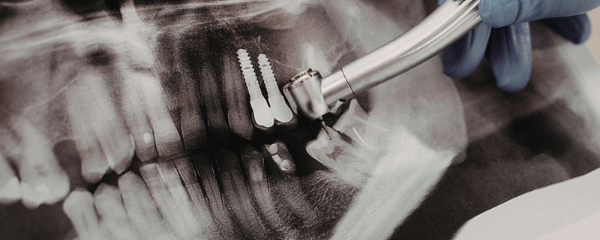
- 3D CBCT imaging to assess bone, nerves and sinuses before surgery
- Computer-guided implant surgery for precise placement
- CAD/CAM design and fabrication of crowns and bridges
- Digital smile design to plan the final appearance

The real risk is not the country but the provider. Choosing purely on the lowest advertised price is the most common mistake — read Dental Implants Abroad: Common Mistakes to Avoid.
Types of Implant Treatment
- Single tooth implant: one post and crown for one missing tooth.
- Implant-supported bridge: several adjacent teeth replaced using two or more implants.
- Full-arch restoration (All-on-4 / All-on-6): a fixed full set of teeth on 4 or 6 implants — see All-on-4 vs All-on-6.
- Immediate implants: implant and temporary crown in one visit, when bone and gum health allow.
- Zygomatic implants: for selected patients with severe upper-jaw bone loss.
Treatment Process and Timeline
- Consultation and 3D scan: oral health, bone structure and a personalised plan.
- Implant placement: under local anaesthesia or sedation.
- Healing (osseointegration): 3–6 months; temporary teeth may be provided.
- Crown placement: the permanent crown or bridge is fitted and the bite adjusted.
For standard implants, expect around 5–7 days in Turkey for the first stage and a second trip 3–6 months later for the final crowns.
Possible Additional Costs to Ask About
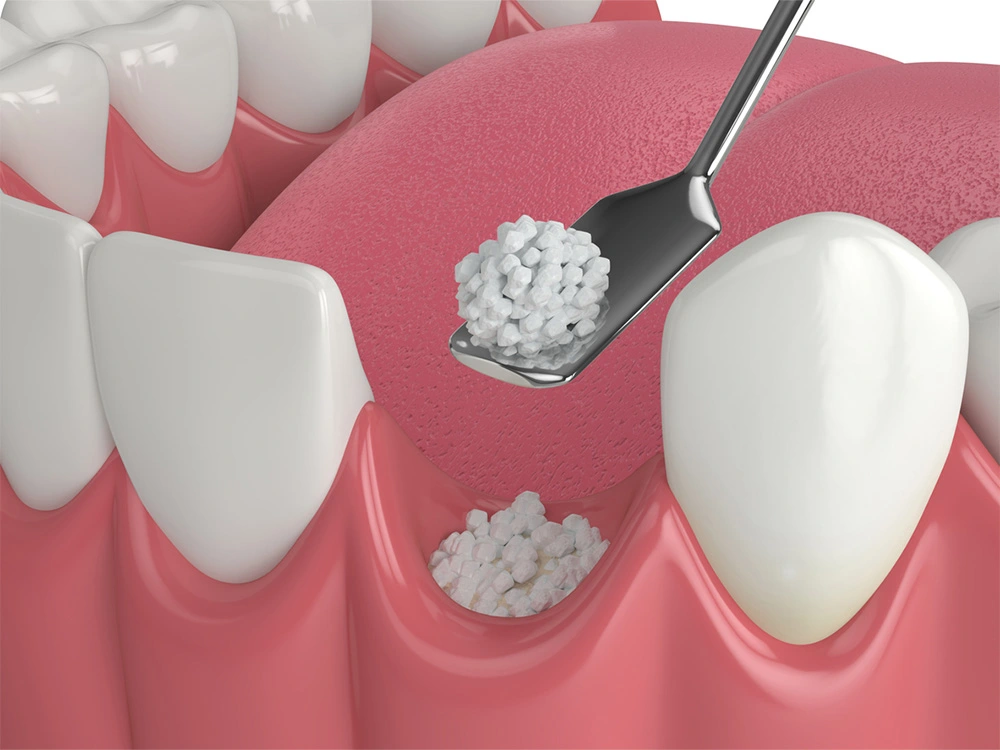
- Bone grafting or sinus lift — see our bone grafting guide
- Extractions or treatment of gum disease before implants
- Upgraded crown material (e.g. zirconia vs porcelain-fused-to-metal)
- Extra nights, a second trip, or a companion’s travel
Tips Before Travelling to Turkey for Implants
- Verify accreditation: check that the institution is authorised for health tourism on the official Health Türkiye directory.
- Check the dental team: ask who will place your implants and about their implantology experience.
- Confirm the implant brand and request documentation.
- Get an itemised written plan including what happens if the plan changes after examination.
- Plan your stay around the clinical timeline, including a possible second visit.
- Agree aftercare: who to contact after you return home and how remote follow-up works.
✔ Dental implant treatments are carried out in healthcare institutions authorized for international health tourism and operating under strict quality standards.
Frequently Asked Questions
Which is the cheapest country for dental implants?
Turkey is among the most affordable destinations for dental implants in Europe, with single implants typically around €400–€1,200 compared with €1,500–€2,500 in Germany or £2,000–£3,000 in the UK.
How much can I save compared to Europe?
Many patients save 60–70% of the total treatment cost, depending on the implant brand, number of implants and whether bone grafting is needed.
Are dental implants in Turkey safe?
Yes, when performed in licensed institutions authorised by the Turkish Ministry of Health, using internationally approved implant systems.
Are the implant brands the same as in Europe?
Reputable clinics use the same global brands, such as Straumann, Nobel Biocare and Medentika. Ask for the brand and documentation in writing.
Is dental implant surgery painful?
It is performed under local anaesthesia. Mild pain, swelling or bruising for a few days afterwards is normal and manageable.
How many trips do I need?
Usually two: one for implant placement and one, 3–6 months later, for the final crowns. Immediate-loading cases may be shorter.
Are there hidden costs?
Reputable providers give a transparent quotation. Ask specifically about bone grafting, sinus lifts, extractions and crown upgrades.
📌 All treatments and services will be carried out in health institutions accredited by the Turkish Ministry of Health and possessing a certificate of authorization in health tourism.
Ready to compare your options? Request a personalised assessment or contact our coordination team on WhatsApp.
References
- Doughty, J. (2025). Contemporary dental tourism: A review of reporting in the United Kingdom media.
- Misch, C. E. (2015). Dental Implant Prosthetics (2nd ed.). Elsevier.
- Brånemark, P. I., Zarb, G. A., & Albrektsson, T. (1985). Tissue-Integrated Prostheses: Osseointegration in Clinical Dentistry. Quintessence.
- Albrektsson, T., & Wennerberg, A. (2005). The impact of implant surfaces on osseointegration. Clinical Oral Implants Research, 16(S2).
- Republic of Türkiye Ministry of Health. (2024). Health tourism regulations and accredited institutions.