

Weight Loss Treatment in Turkey: Balloon or Sleeve?
Losing 20–30 kilograms is more than a number on the scale — it’s about reclaiming your health, confidence, and quality of life. For patients struggling with obesity or excess weight, traditional methods such as diet and exercise may not be sufficient. Today, medical procedures like the intragastric balloon and gastric sleeve surgery offer effective options when patients are properly selected and followed up.
Turkey has become a leading destination for bariatric surgery, combining modern medical facilities, experienced surgeons and coordinated patient care. From Istanbul to Antalya, international patients travel to Turkey for cost-effective treatment and organised recovery support.

The Global Rise of Medical Tourism for Bariatric Procedures
Medical tourism has grown rapidly in recent years, particularly for weight loss and bariatric procedures. Many patients are seeking high-quality, affordable and efficient healthcare abroad.
Turkey stands out for international bariatric patients because of:
- Lower costs compared to Europe and the US (60–75% cheaper)
- Access to highly trained, multilingual surgeons
- Modern hospital infrastructure
- Coordinated recovery accommodation and patient support
Patients from the UK, France, Germany, Spain, Italy and the US increasingly choose Turkey for weight loss surgery.
Weight Loss Goals: 20–30kg Target
Losing 20–30 kilograms can transform your health, mobility and overall quality of life. Achieving it through bariatric procedures in Turkey — whether via a traditional intragastric balloon or gastric sleeve surgery — is a structured, clinically guided process.
1. Clinical Impact and Health Benefits
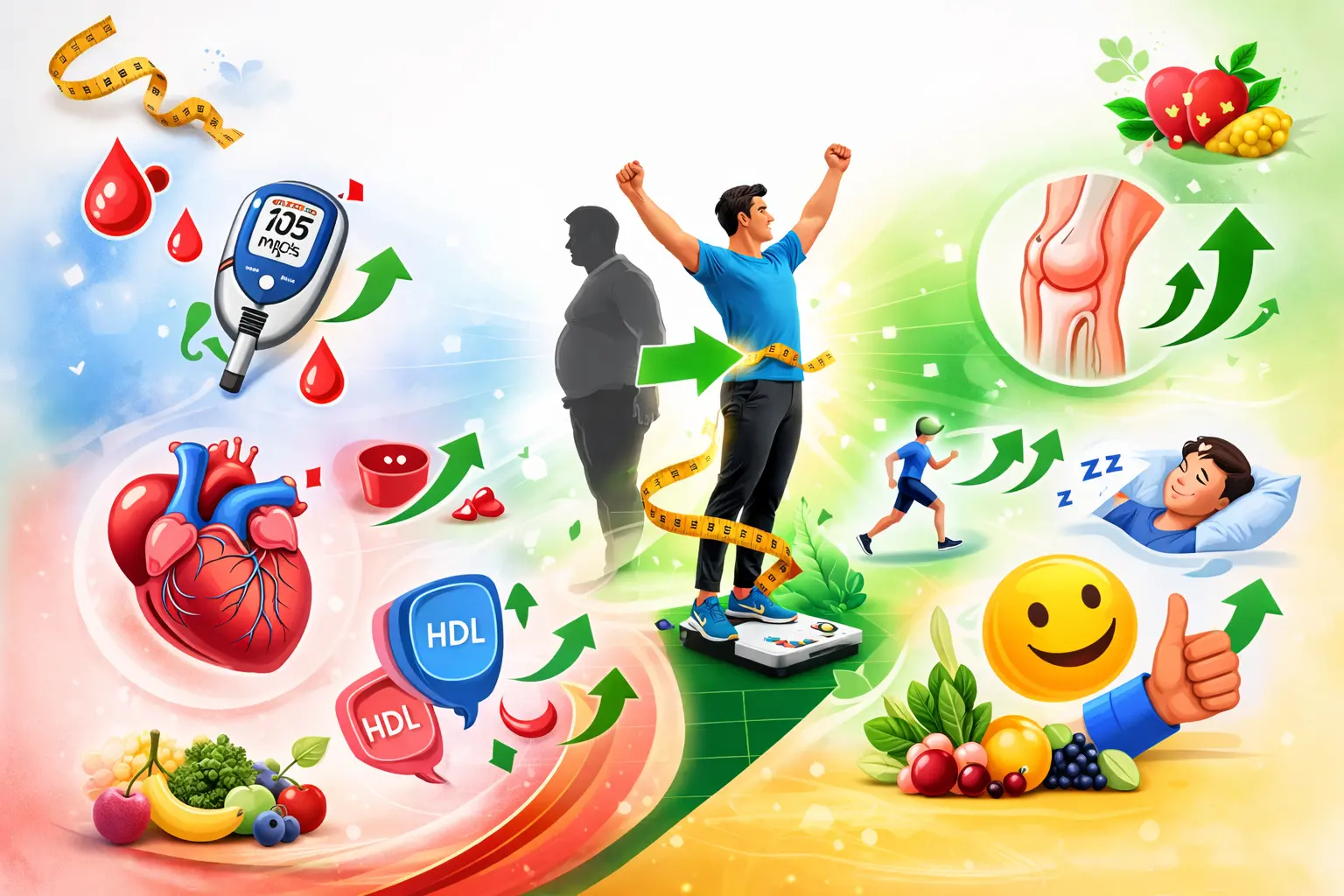
Significant weight reduction (20–30kg) typically results in measurable improvements in metabolic and cardiovascular health, including:
- BMI Reduction: Patients often see a decrease of 5–10 BMI points, lowering the risk of obesity-related complications.
- Improved Blood Sugar Control: For patients with prediabetes or type 2 diabetes, weight loss can enhance insulin sensitivity and, in some cases, reduce the need for medication.
- Lower Cholesterol & Blood Pressure: Losing excess weight improves lipid profiles and reduces hypertension.
- Joint Health & Mobility: Reduced weight eases pressure on knees, hips and lower back.
2. Psychological and Lifestyle Transformation
Weight loss is not just physical — it affects mental and emotional well-being:
- Self-Confidence: Many patients report improved body image and greater participation in social and professional activities.
- Mood and Sleep: Improvements in sleep quality and obesity-related stress can support mental health.
- Motivation for Healthy Choices: Patients are often more engaged in exercise, nutrition and wellness routines after treatment.
3. Personalized Goals for Optimal Outcomes
Achieving 20–30kg weight loss requires tailored planning, considering:
- Patient Profile: Age, gender, baseline weight and comorbidities influence procedure selection.
- Medical History: Previous surgeries, gastrointestinal conditions or metabolic disorders may determine eligibility for balloon or sleeve surgery.
- Lifestyle & Commitment: Both procedures require dietary adherence, exercise and follow-up. Sleeve surgery often yields greater long-term results, while the balloon is a temporary, reversible intervention.
- Nutrition & Behavior Support: Access to dietitians, behavioural support and digital tracking tools helps sustain results.
4. Realistic Expectations
Patients should understand that:
- Balloon Weight Loss: Typically 15–25kg over 6–12 months, dependent on lifestyle adherence.
- Sleeve Surgery Weight Loss: Typically 25–35kg in the first year, with long-term maintenance if lifestyle changes are followed.
- Plateaus and Maintenance: Weight loss may slow after the initial months; continued adherence to nutrition and exercise plans is essential.
Individual results vary and depend on starting weight, health status and long-term lifestyle changes.

5. Turkey’s Advantages for Bariatric Treatment
- Accredited Hospitals: JCI-accredited facilities follow international safety and quality standards.
- Experienced Bariatric Surgeons: Multilingual teams, many trained in Europe and the US.
- Integrated Patient Support: Pre-op evaluations, post-op monitoring, nutrition counselling and recovery accommodation.
→ Book a consultation for gastric balloon or sleeve surgery in Turkey
Option 1: Traditional Intragastric Balloon (6–12 Months)
The gastric balloon is a minimally invasive, temporary solution for patients aiming to lose 15–25 kilograms over 6–12 months. Unlike surgical procedures, the balloon requires no incisions, making it suitable for patients who want a less invasive option or are not yet candidates for surgery.

What is a Gastric Balloon?
A gastric balloon is a soft silicone medical device inserted endoscopically into the stomach and filled with saline (or sometimes air) to occupy space in the stomach, helping patients feel full sooner. By reducing stomach volume, it limits calorie intake and supports behavioural change.
Key Features of the Balloon:
- Temporary: typically 6–12 months in place
- Non-surgical: no cuts or stitches
- Reversible: removed endoscopically when the treatment period ends
- Lifestyle-focused: supports diet and exercise adherence
Who is it suitable for?
- Patients with BMI 27–35 looking for moderate weight loss
- Individuals who want a non-surgical approach
- Those preparing for later bariatric surgery as a preliminary step
How the Procedure Works
- Pre-procedure Evaluation
Before insertion, patients undergo:
- Comprehensive blood work
- Abdominal ultrasound or imaging to rule out stomach abnormalities
- Nutritional and psychological assessment
- Endoscopic Insertion
- Performed under mild sedation
- An endoscope guides the deflated balloon into the stomach
- The patient is monitored throughout
- Inflation
- The balloon is filled with 400–700 ml of saline (customised per patient)
- Volume is adjusted to balance early satiety and comfort
- Recovery & Hospital Stay
- Usually outpatient; patients can often go home the same day
- Discomfort, bloating or nausea may occur for 2–5 days
- Lifestyle Integration
- Personalised diet plan from a bariatric nutritionist
- Exercise guidance to support gradual weight loss
- Behavioural support and follow-ups for sustainable habits

Expected Weight Loss and Timeline
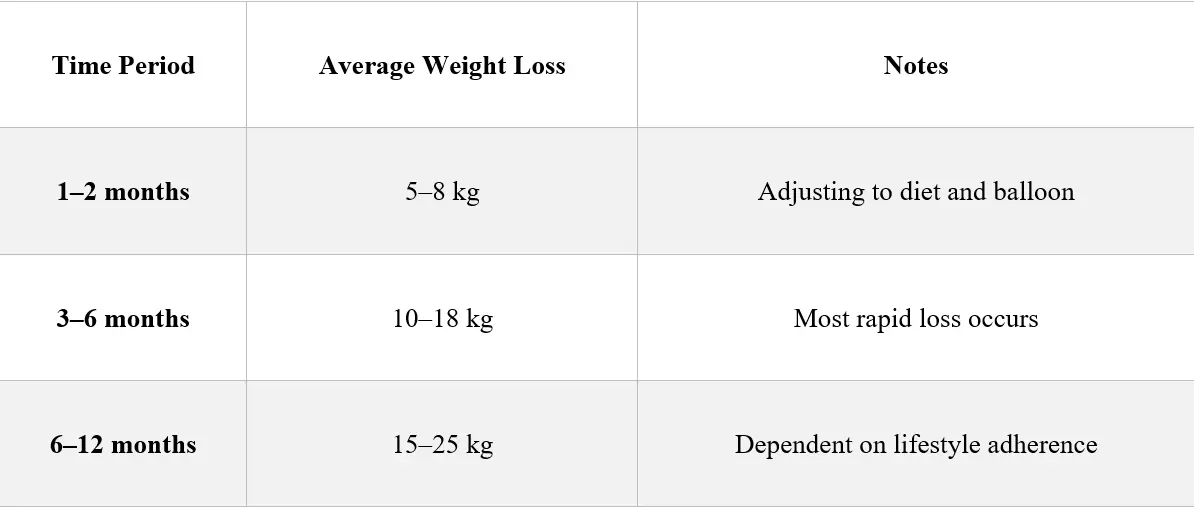
- Success depends on commitment to diet, exercise and behavioural support
- Weight loss plateaus are common; continuous monitoring is key
Risks, Limitations & Safety
Patients should be aware of potential risks and limitations:
Common Side Effects:
- Nausea, vomiting or abdominal pain (usually resolves in 3–5 days)
- Temporary bloating or reflux
Rare Complications:
- Balloon deflation or migration (requires prompt removal)
- Gastric ulcer or irritation
- Oesophageal discomfort
Limitations:
- The balloon is temporary; weight may return if lifestyle changes aren’t maintained
- Not suitable for patients with:
- Previous gastric surgery
- Stomach ulcers or large hiatal hernia
- Severe gastrointestinal disease
Recovery & Lifestyle Integration
The first two weeks after insertion are crucial for adaptation:
- Diet Progression:
- Liquids only (first 3–5 days)
- Purees and soft foods (next 1–2 weeks)
- Gradual introduction of regular foods
- Activity: Light activity encouraged; normal activities usually resume in 1–2 days
- Follow-Up: Monthly check-ins with the nutritionist and doctor
Long-Term Lifestyle Tips:
- Regular exercise (walking, swimming or light cardio)
- Balanced diet emphasising protein, vegetables and low sugar
- Behavioural support to prevent rebound weight gain
Cost Overview (EUR)

Note: Prices are indicative; confirm an itemised quotation for your own case, including what accommodation, transfers and nutrition counselling are included.
→ Book a consultation for a gastric balloon in Turkey
Option 2: Gastric Sleeve Surgery (Sleeve Gastrectomy)
Gastric sleeve surgery, or sleeve gastrectomy, is one of the most widely performed bariatric operations. It is a laparoscopic procedure that removes approximately 75–80% of the stomach, leaving a narrow, tubular “sleeve.” This limits how much food the stomach can hold, reduces hunger hormones such as ghrelin, and improves metabolic function.

Who is a Candidate for Gastric Sleeve Surgery?
- Patients with BMI ≥35, or ≥30 with obesity-related conditions (diabetes, hypertension, sleep apnoea)
- Individuals who need significant, long-term weight loss
- Those who have not achieved lasting weight loss through diet, exercise or non-surgical interventions
- Patients prepared for strict adherence to post-operative lifestyle changes
Surgical Procedure Steps
- Comprehensive Pre-Op Assessment
- Blood tests, liver and kidney function checks
- Abdominal imaging and endoscopy
- Nutritional and psychological evaluation
- Consultation with the bariatric surgeon
- Laparoscopic Surgery
- 3–5 small incisions in the abdomen
- Removal of 75–80% of the stomach using surgical staplers
- Surgery typically lasts 60–90 minutes under general anaesthesia
- Hospital Recovery
- Average hospital stay: 2–3 days
- Monitoring for early complications
- Pain management and IV hydration
- Post-Operative Care
- Diet progression: liquids → pureed → soft → regular foods
- Lifelong vitamin and mineral supplementation as advised
- Regular follow-ups, especially in the first year
Expected Weight Loss Timeline
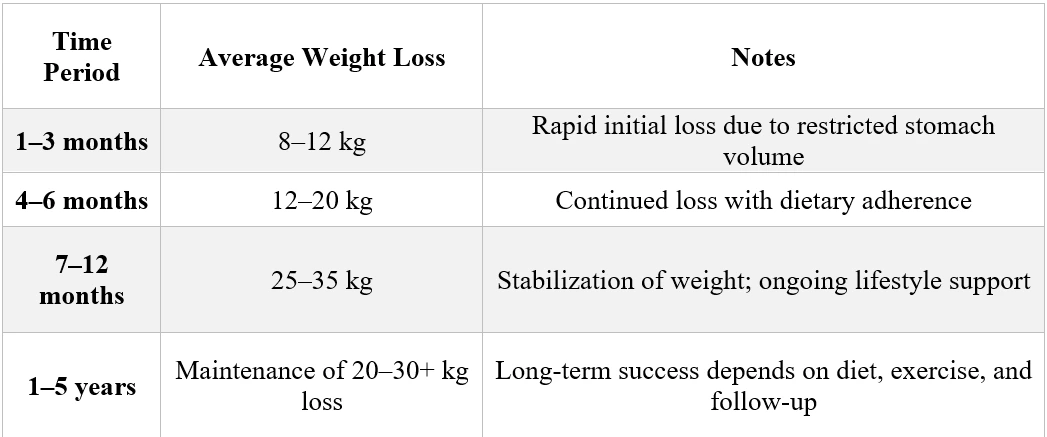
💡 Note: Sleeve surgery usually leads to greater total weight loss than a balloon and is permanent, often with metabolic improvements such as better blood sugar control and reduced blood pressure.
Risks and Complications
Common Risks:
- Nausea, vomiting or reflux during recovery
- Temporary fatigue and discomfort at incision sites
Serious but Rare Complications:
- Staple line leak (requires urgent intervention)
- Infection or bleeding
- Nutritional deficiencies (iron, vitamin B12, calcium, vitamin D)
- Gastro-oesophageal reflux disease (GERD) in some patients
Safety in Turkey:
Accredited hospitals follow international safety standards and provide post-operative monitoring and multilingual support for international patients.
Recovery & Lifestyle Integration
- Immediate Recovery
- Hospital stay: 2–3 days
- Early mobility to prevent blood clots
- Pain and nausea controlled with medication
- Diet Progression
- Phase 1: Clear liquids for 3–5 days
- Phase 2: Full liquids (protein shakes, low-fat yogurt) for 1–2 weeks
- Phase 3: Pureed foods for 2–3 weeks
- Phase 4: Soft foods for 2 weeks
- Phase 5: Gradual return to regular foods with portion control
- Exercise
- Walking from the first day
- Strength and cardio introduced gradually after 2–4 weeks
- Goal: at least 150 minutes of moderate activity per week
- Follow-Up Care
- Regular check-ins with a bariatric dietitian
- Blood tests for vitamin and mineral levels
- Ongoing support to prevent weight regain
Cost Overview (EUR)

Note: Prices are indicative. Packages may include transfers, accommodation and nutrition counselling — confirm inclusions in writing.
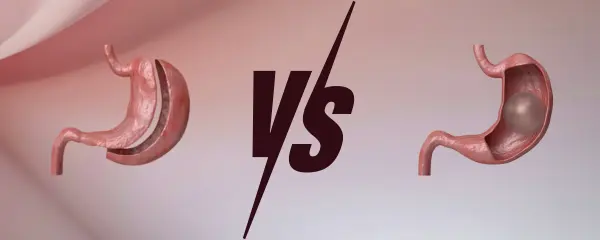
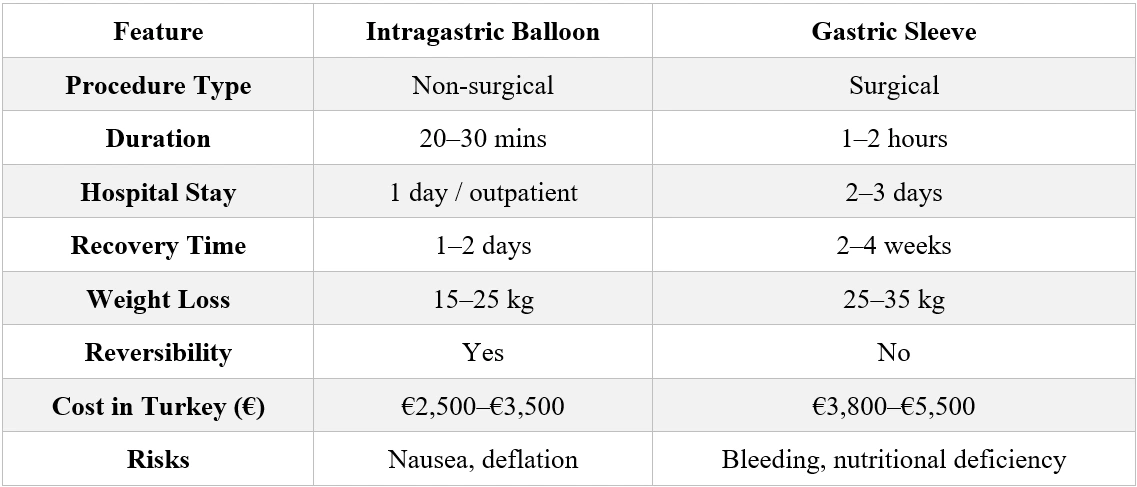
Balloon vs Sleeve Surgery: Head-to-Head Comparison
Moderate weight loss without surgery?
Or greater weight loss with permanent stomach reduction?
When comparing gastric balloon vs sleeve surgery in Turkey, the difference isn’t just about weight loss — it’s about commitment, recovery, risk level and long-term change.
Factors to Consider When Choosing
1️⃣ Lifestyle Adherence & Behavioral Commitment
🔹 Gastric Balloon: Discipline-Dependent Success
The balloon is a temporary space-occupying device. Its effectiveness depends heavily on dietary compliance, portion control, avoiding high-calorie drinks, nutritionist follow-up and building habits before removal. Once removed, the stomach returns to normal size, and weight regain is possible if habits are not established.
It may suit patients seeking moderate weight loss (10–20 kg), those wanting a reversible option, or those unsure about surgery.
🔹 Gastric Sleeve: Physiological Support for Lifestyle Change
Sleeve surgery removes ~75–80% of the stomach, reduces ghrelin and permanently restricts food capacity. Many patients experience reduced appetite and faster satiety, although lifestyle discipline remains essential.
2️⃣ Medical History & Clinical Suitability
🔹 When a Balloon May NOT Be Suitable
- Severe acid reflux (GERD)
- Large hiatal hernia
- Active stomach ulcers
- Previous gastric surgery
- Severe liver disease
- Certain inflammatory bowel conditions
A thorough endoscopy is required before placement.
🔹 When a Sleeve Requires Extra Evaluation
- Cardiac evaluation
- Pulmonary function testing
- Blood clotting risk assessment
- Psychological readiness assessment
- Nutritional deficiency screening
Patients with type 2 diabetes, BMI over 40 or obesity-related complications often benefit from the metabolic effects of sleeve surgery.
3️⃣ Long-Term Results & Sustainability
🔹 Gastric Balloon
- 10–20 kg in 6–12 months (about 10–15% of body weight)
- Maintenance depends on post-removal habits; some patients regain a significant part of the weight
🔹 Gastric Sleeve
- 20–35+ kg within 12–18 months
- About 60–75% excess weight loss, often maintained for years
- Possible improvement in type 2 diabetes, blood pressure, cholesterol and sleep apnoea
4️⃣ Travel & Recovery (Medical Tourism Considerations)
🔹 Gastric Balloon
- Procedure: 20–30 minutes; same day or 1 night
- Stay in Turkey: 3–5 days
- Removal requires another visit or coordinated removal at home
🔹 Sleeve Surgery
- Surgery: 60–90 minutes; hospital stay 2–3 days
- Recommended stay in Turkey: 7–10 days
- Full recovery: 2–4 weeks
5️⃣ Psychological Readiness
A balloon may suit patients anxious about permanent surgery; a sleeve may suit patients who have tried repeated diets and are ready for a permanent anatomical change. A psychological readiness assessment is part of good practice for both.
6️⃣ Risk Tolerance & Safety Profile
Balloon Risks:
- Nausea and vomiting (common in the first week)
- Intolerance leading to early removal (uncommon)
- Dehydration if not managed
Sleeve Risks:
- Surgical complications (uncommon in accredited centres)
- Staple line leak or bleeding
- Nutritional deficiencies (manageable with supplements)
- Possible reflux
📌 All treatments and services will be carried out in health institutions accredited by the Turkish Ministry of Health and possessing a certificate of authorization in health tourism.
7️⃣ Financial Planning & Value
A balloon has a lower upfront cost but may need repeat treatment or later surgery. A sleeve has a higher upfront cost, no removal procedure, and longer-term metabolic benefits.
Why Choose Turkey for Bariatric Surgery?
- Accredited Hospitals: numerous JCI-accredited facilities
- Experienced Surgeons: multilingual teams, many trained in Europe and North America
- Coordinated Care: transfers, accommodation and diet planning
- Affordable Cost: often 60–75% lower than Europe/US
→ Why Choose Turkey for Medical Tourism?
Preparing for Your Bariatric Procedure in Turkey
1️⃣ Medical Assessment
- Complete blood panel (CBC, liver, kidney, thyroid)
- Fasting glucose and HbA1c
- Vitamin and mineral screening
- Abdominal ultrasound
- Upper GI endoscopy (mandatory for balloon candidates)
- Cardiology clearance (for sleeve surgery)
- Pulmonary function test (if indicated)
- BMI and body composition analysis
2️⃣ Nutritional & Psychological Readiness
Patients meet bariatric nutritionists and, where needed, behavioural health specialists to identify eating patterns, set protein and hydration targets and understand supplementation. Sleeve patients often follow a 2-week pre-operative liver-shrinking diet.
3️⃣ Travel & Accommodation
- Airport pickup and transfers
- Multilingual case manager
- Hotel accommodation near the hospital
- Post-operative nurse support and 24/7 communication
Balloon patients usually stay 3–5 days; sleeve patients 7–10 days.
4️⃣ Pre-Operative Lifestyle Preparation
- Stop smoking 2–4 weeks before surgery
- Avoid alcohol
- Begin light physical activity
- Increase protein, reduce simple carbohydrates
- Stay hydrated (at least 2 litres daily)
Post-Procedure Care and Long-Term Success
1️⃣ Immediate Recovery
Gastric Balloon:
- Nausea expected for 3–5 days; anti-nausea medication prescribed
- Hydration first, then gradual diet transition
Gastric Sleeve:
- Hospital stay 2–3 days; leak test before discharge
- Pain management and early mobilisation
2️⃣ Structured Diet Progression
Phase 1: Clear Liquids (Days 1–5)
- Water, broth, sugar-free electrolyte drinks, protein water
Phase 2: Full Liquids (Weeks 1–2)
- Protein shakes, blended soups, low-fat yogurt
Phase 3: Soft Foods (Weeks 3–4)
- Scrambled eggs, soft fish, mashed vegetables, cottage cheese
Phase 4: Balanced Diet (After Week 4)
- Lean proteins, cooked vegetables, controlled complex carbs, strict portions
Protein target: 60–90 g daily. Hydration: 1.5–2 litres daily in small sips.
3️⃣ Exercise & Lifestyle
Light walking starts immediately. Cardio and resistance training increase gradually (from week 2 for balloon, weeks 4–6 for sleeve) to preserve muscle and metabolism.
4️⃣ Long-Term Monitoring & Remote Follow-Up
- 6–12 months of virtual follow-up
- Nutritional check-ins and supplement monitoring
- Weight tracking and psychological support
📌 All treatments and services will be carried out in health institutions accredited by the Turkish Ministry of Health and possessing a certificate of authorization in health tourism.
Long-Term Transformation: Beyond Weight Loss
Successful bariatric treatment can lead to improved metabolic health, reduced cardiovascular risk, better mobility and improved wellbeing. Results vary between individuals and depend on long-term follow-up and lifestyle change.
Frequently Asked Questions
1. Which procedure is safer?
Both are considered safe when performed in accredited hospitals on suitable patients. The balloon is non-surgical; the sleeve is a surgical operation with surgical risks.
2. Can I regain weight after a balloon?
Yes — without lasting lifestyle changes, weight may return after removal.
3. Is gastric sleeve permanent?
Yes — the stomach is permanently reduced, and lifelong dietary care and supplements are required.
4. How long should I stay in Turkey?
Balloon: 3–5 days. Sleeve: 7–10 days including follow-up.
5. Can I combine treatment with tourism?
Light sightseeing may be possible during recovery if your doctor agrees, but rest and follow-up appointments come first.
Final Thoughts
Whether you choose a traditional intragastric balloon (6–12 months) or gastric sleeve surgery, the most important step is a medically supervised, accredited pathway with proper assessment and long-term follow-up. There is no one-size-fits-all solution — only the option that fits your body, your health and your lifestyle.
Book a Consultation
Speak with our team to receive:
- A preliminary eligibility discussion
- An outline of the treatment timeline
- Transparent cost details
- Travel and accommodation information
👉 Contact us to take the first step.

📌 All treatments and services will be carried out in health institutions accredited by the Turkish Ministry of Health and possessing a certificate of authorization in health tourism.
References
- Angrisani, L., Santonicola, A., Iovino, P., Formisano, G., Buchwald, H., & Scopinaro, N. (2018). Bariatric Surgery Worldwide 2013. Obesity Surgery, 28(12), 3421–3432.
- Mechanick, J. I., Apovian, C., Brethauer, S., et al. (2020). Clinical practice guidelines for the perioperative nutrition, metabolic, and nonsurgical support of patients undergoing bariatric procedures. Obesity, 28(4), 1–58.
- Genco, A., Romano, G., Guida, P., & Spagnuolo, G. (2019). Bariatric Surgery in Europe: Outcomes and Safety. Surgical Endoscopy, 33, 306–318.
- Puzziferri, N., & Roshek, T. B. (2015). Long-term follow-up after bariatric surgery. JAMA, 313(11), 1116–1130.
- FDA. (2021). Intragastric Balloon System for Weight Loss. U.S. Food & Drug Administration.