


.png)


Stem Cell Treatment in Turkey: Why International Patients Choose Regenerative Medicine in 2026
.png)
Stem Cell Treatment in Turkey: The Complete Luxury Medical Guide to Regenerative Medicine
In the last decade, stem cell treatment in Turkey has become one of the most sought-after medical innovations in regenerative medicine. Patients from Europe, the Middle East, and North America travel to Turkey to access cutting-edge therapies that aim to repair damaged tissues, restore organ function, and slow the progression of chronic diseases. The country’s advanced healthcare infrastructure, internationally accredited hospitals, and highly trained physicians have positioned Turkey as a global hub for regenerative medicine and cell therapy.
Stem cells are unique biological cells capable of transforming into specialized cell types. Unlike ordinary cells, they possess the ability to regenerate and repair tissues in the body, making them invaluable in treating degenerative diseases, injuries, and chronic medical conditions.
In clinical practice, stem cell therapies involve extracting regenerative cells from sources such as bone marrow, adipose tissue, or umbilical cord blood. These cells are processed in specialized laboratories and then injected into the affected area of the patient’s body to promote healing and tissue regeneration.
Turkey has rapidly become a center of excellence in this field, combining advanced medical technology with internationally trained specialists and competitive pricing structures. The integration of medical tourism services—including luxury accommodations, multilingual patient coordinators, and personalized treatment plans—has further strengthened the country’s reputation as a premier destination for stem cell therapy.
s%20(1).png)
What Are Stem Cells and How Do They Work in Medical Treatments?
[IMAGE SUGGESTION: medical diagram showing stem cell differentiation into muscle, nerve, and bone cells]
Stem cells are unique biological cells that possess two extraordinary capabilities: self-renewal and differentiation. Self-renewal allows stem cells to divide and produce identical copies of themselves over long periods of time, while differentiation enables them to transform into specialized cell types such as bone cells, cartilage cells, nerve cells, muscle cells, and blood cells. Because of these properties, stem cells are considered the foundation of regenerative medicine, a medical field focused on repairing or replacing damaged tissues and restoring normal function within the human body.
In modern clinical medicine, stem cell therapies are designed to support the body's natural healing mechanisms. Rather than simply relieving symptoms, these treatments aim to repair underlying damage at the cellular level. In Turkey, advanced laboratories and regenerative medicine centers isolate stem cells from biological sources such as bone marrow, adipose (fat) tissue, or umbilical cord tissue, then process and concentrate them before reintroducing them into the patient’s body.
Once administered, stem cells interact with surrounding tissues through complex biological signaling mechanisms that trigger healing and regeneration.
Biological Mechanisms Behind Stem Cell Therapy
Stem cells contribute to healing through several key biological processes that are particularly important in regenerative medicine.
Regeneration of Damaged Tissue
One of the most important roles of stem cells is their ability to replace damaged or dying cells. When introduced into injured tissues, stem cells can differentiate into the specific cell types needed for repair. For example, in orthopedic treatments, stem cells may transform into cartilage-producing cells that help rebuild joint surfaces affected by osteoarthritis.
This regenerative ability is particularly valuable in conditions where the body has limited capacity to repair itself naturally, such as cartilage damage, nerve injuries, or degenerative diseases.
Immunomodulation
Stem cells also have the ability to regulate immune system activity. Mesenchymal stem cells, which are widely used in regenerative therapies, release molecules that reduce abnormal immune responses. This property is especially beneficial in treating inflammatory and autoimmune conditions where the immune system attacks healthy tissues.
By modulating immune activity, stem cells can reduce tissue damage while creating a more favorable environment for healing.
Anti-Inflammatory Effects
Chronic inflammation is a major factor in many degenerative diseases, including arthritis, cardiovascular disorders, and neurological conditions. Stem cells release anti-inflammatory proteins and cytokines that help suppress excessive inflammation in affected tissues.
Reducing inflammation not only alleviates pain but also supports the regeneration of healthy cells and tissues.
Tissue Repair and Cellular Communication
Stem cells produce various growth factors and signaling molecules that stimulate surrounding cells to begin repair processes. These biochemical signals encourage the formation of new blood vessels, stimulate collagen production, and promote the growth of healthy tissue.
This process, known as paracrine signaling, plays a crucial role in the therapeutic effects of stem cell treatments.
How Stem Cells Are Used in Treatments in Turkey
In Turkey, stem cell therapies are typically performed in specialized medical centers equipped with regenerative medicine laboratories. The treatment process is carefully designed to ensure both safety and therapeutic effectiveness.
The first step involves collecting stem cells from the patient or from approved biological sources. Autologous stem cells—cells derived from the patient’s own body—are commonly used because they significantly reduce the risk of immune rejection.
After collection, the cells are processed in sterile laboratory conditions where they are purified and concentrated. This step ensures that the therapeutic solution contains a high concentration of regenerative cells capable of promoting tissue repair.
Once prepared, the stem cells are administered to the patient through targeted delivery methods. Depending on the medical condition being treated, stem cells may be:
- injected directly into joints or injured tissues
- infused intravenously into the bloodstream
- injected into the spinal canal for neurological treatments
- applied locally in cosmetic or dermatological procedures
After the procedure, the stem cells begin interacting with the surrounding tissues, releasing regenerative factors that stimulate healing over time.
Why Stem Cell Therapy Is Considered Revolutionary
Stem cell therapy represents a significant shift in modern medicine because it focuses on regenerating damaged tissues rather than simply managing symptoms. Traditional treatments for many chronic conditions rely on medications, physical therapy, or surgery to alleviate symptoms. While these approaches can provide relief, they often do not address the underlying cellular damage.
Regenerative medicine, by contrast, seeks to restore normal tissue structure and function. Stem cells provide a biological tool that enables the body to rebuild itself, making them one of the most promising developments in medical science.
For this reason, many physicians and researchers consider stem cell therapy to be a key component of the future of healthcare.
Types of Stem Cells Used in Medical Treatments
[IMAGE SUGGESTION: comparison chart of stem cell types]
Several types of stem cells are used in regenerative medicine. Each type has specific clinical applications and advantages.
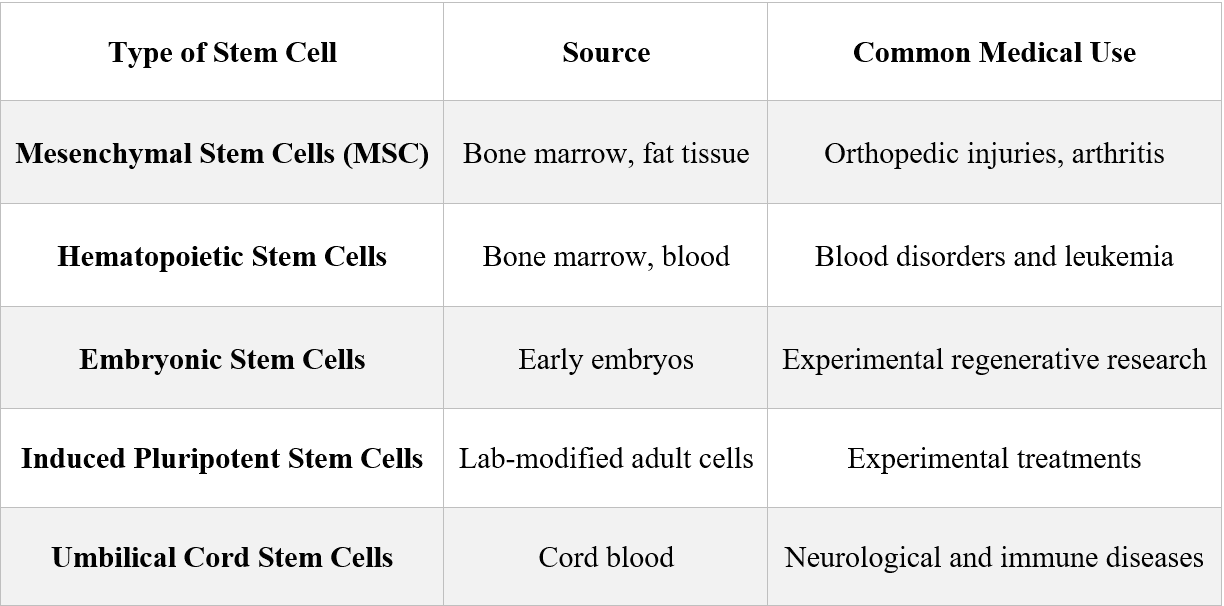
Mesenchymal stem cells are among the most widely used types in modern regenerative medicine because of their ability to differentiate into bone, cartilage, and muscle tissue.
Why Turkey Became a Global Hub for Stem Cell Therapy
[IMAGE SUGGESTION: modern hospital in Istanbul]
Turkey’s rise as a major destination for stem cell therapy is driven by several factors that combine quality medical care with accessibility.
Advanced Medical Infrastructure
Many Turkish hospitals and clinics operate with cutting-edge laboratory technology, advanced cell processing facilities, and internationally recognized medical standards.
Highly Qualified Physicians
Many stem cell specialists in Turkey are trained in Europe or the United States, bringing international expertise to local clinical practice.
Affordable Treatment Costs
Stem cell therapy in Turkey is often 40–70% cheaper than in Western countries, making it accessible to international patients seeking advanced medical solutions.
Medical Tourism Excellence
Turkey offers comprehensive medical tourism services including:
- VIP airport transfers
- luxury accommodation packages
- multilingual patient coordinators
- personalized treatment planning
This combination of medical excellence and hospitality has turned cities like Istanbul into leading centers for regenerative medicine.
The Most Common Medical Uses of Stem Cell Therapy in Türkiye
Stem cell therapy is currently used across multiple medical specialties. Although some applications remain experimental, others are already integrated into clinical practice.
Orthopedic Treatments
Stem cell therapy is widely used in orthopedics to repair cartilage damage, treat joint degeneration, and accelerate recovery from sports injuries.
Common orthopedic applications include:
- knee osteoarthritis
- hip degeneration
- shoulder injuries
- ligament tears
- cartilage damage
Neurological Disorders
Regenerative medicine is increasingly explored for neurological diseases, including:
- Parkinson’s disease
- Alzheimer’s disease
- spinal cord injuries
- stroke rehabilitation
These therapies aim to regenerate nerve cells and improve neurological function.
Cardiovascular Regeneration
Stem cell therapy may assist in repairing heart tissue damaged by heart attacks or heart failure by stimulating the formation of new blood vessels.
Diabetes and Metabolic Disorders
Researchers are exploring stem cells’ ability to regenerate pancreatic cells responsible for insulin production.
Cosmetic and Anti-Aging Medicine
Stem cell therapy is increasingly used for:
- skin rejuvenation
- wrinkle reduction
- hair loss treatments
Sexual and Reproductive Medicine
Stem cells are also studied for improving sexual health and fertility outcomes in both men and women.
9 Things to Know About Stem Cell Treatments
Understanding stem cell therapy requires awareness of both its benefits and limitations.
1. Stem Cell Therapy Is a Form of Regenerative Medicine
It focuses on repairing damaged tissues rather than simply treating symptoms.
2. Not All Stem Cell Treatments Are Fully Approved
Some applications remain experimental and are still under scientific investigation.
3. Treatment Is Personalized
Each patient requires a customized treatment protocol depending on their condition.
4. Stem Cells Can Be Collected From Your Own Body
Autologous stem cells reduce the risk of rejection.
5. Results Can Take Time
Improvements may occur gradually over weeks or months.
6. Multiple Sessions May Be Needed
Some conditions require repeated treatments for optimal outcomes.
7. Risks Are Generally Low but Exist
Potential risks include infection, inflammation, or rare immune reactions.
8. Success Rates Vary by Condition
For orthopedic injuries, improvement rates often exceed 60–80%.
9. Choosing the Right Clinic Is Essential
Qualified physicians and accredited facilities are crucial for safety.
Stem Cell Therapy Procedure: Step-by-Step
[IMAGE SUGGESTION: stem cell injection procedure]
The treatment process typically follows several clinical stages.
Step 1: Medical Evaluation
Doctors review the patient’s medical history, diagnostic imaging, and laboratory tests to determine eligibility.
Step 2: Stem Cell Collection
Stem cells are collected from:
- bone marrow
- adipose tissue (fat)
- umbilical cord tissue
Step 3: Laboratory Processing
Cells are processed and concentrated in specialized laboratories.
Step 4: Injection or Infusion
The processed cells are injected directly into the affected area or administered intravenously.
Step 5: Recovery and Monitoring
Patients are monitored for several months as the cells stimulate tissue regeneration.
Cost of Stem Cell Therapy in Turkey
Stem cell therapy costs vary depending on the condition treated, clinic reputation, and type of cells used.
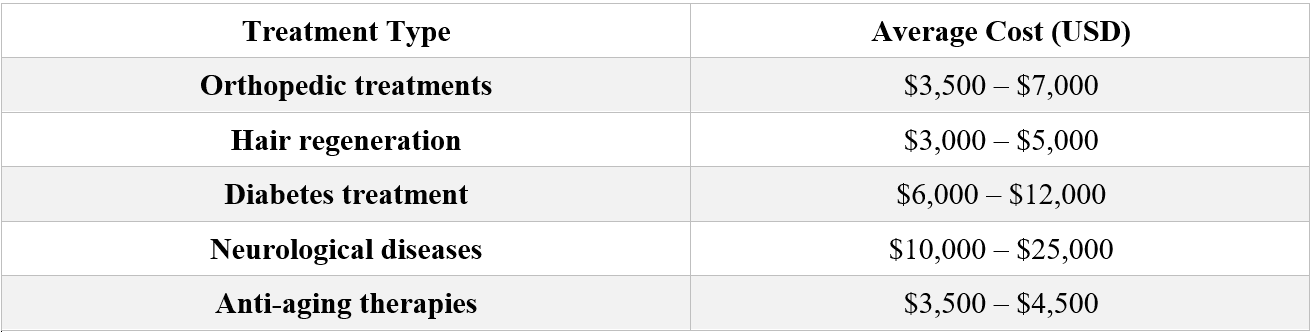
Turkey’s cost advantage is one of the main reasons international patients travel there for regenerative treatments.
Benefits of Stem Cell Therapy
Stem cell therapy offers several advantages compared to conventional treatments.
- minimally invasive procedures
- reduced inflammation
- faster recovery times
- potential tissue regeneration
- lower risk of rejection when using autologous cells
These benefits make regenerative medicine an attractive alternative to traditional surgical procedures.
Risks and Safety Considerations
While stem cell therapy is generally considered safe when performed by qualified specialists, certain risks must be considered.
Possible complications include:
- infection
- immune reactions
- graft-versus-host disease
- abnormal cell growth
The safety of treatment largely depends on clinical protocols, laboratory standards, and physician expertise.
Stem Cell Therapy in Istanbul: A Leading Destination for Medical Tourism
[IMAGE SUGGESTION: Istanbul skyline + hospital]
Istanbul has emerged as the epicenter of regenerative medicine in Turkey. The city hosts numerous advanced hospitals and research centers specializing in stem cell therapies.
International patients benefit from:
- advanced medical facilities
- experienced physicians
- multilingual medical teams
- luxury patient services
These advantages make Istanbul one of the world’s fastest-growing destinations for regenerative medicine.
Frequently Asked Questions (FAQ)
Is stem cell therapy legal in Turkey?
Yes. Stem cell treatments are regulated under Turkish healthcare authorities and must comply with strict medical guidelines.
How long does recovery take?
Most patients return to normal activities within a few days, although full regenerative effects may take months.
Are stem cell treatments painful?
The procedure is minimally invasive and usually performed under local anesthesia.
Who is a good candidate for stem cell therapy?
Patients with degenerative diseases, orthopedic injuries, or chronic conditions may benefit from regenerative therapy.
Stem cell therapy represents one of the most promising developments in modern medicine. By harnessing the body’s natural regenerative capabilities, this innovative treatment offers new hope for patients suffering from chronic diseases, injuries, and degenerative conditions.
Turkey’s advanced medical infrastructure, experienced specialists, and affordable treatment options have positioned the country as a global leader in regenerative medicine. For international patients seeking cutting-edge healthcare combined with luxury medical tourism services, stem cell treatment in Turkey continues to be an increasingly attractive option.
References
Trounson, A., & McDonald, C. (2015). Stem cell therapies in clinical trials: Progress and challenges. Cell Stem Cell, 17(1), 11-22.
Zakrzewski, W., Dobrzyński, M., Szymonowicz, M., & Rybak, Z. (2019). Stem cells: Past, present, and future. Stem Cell Research & Therapy, 10(1), 68.
National Institutes of Health. (2023). Stem cell basics. NIH Stem Cell Information.
.png)



.png)


