


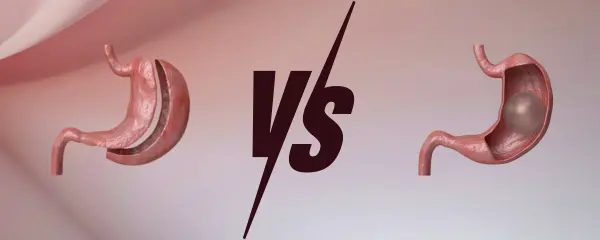


.png)


Transform Your Life with Weight Loss in Turkey
Losing 20–30 kilograms is more than a number on the scale — it’s about reclaiming your health, confidence, and quality of life. For patients struggling with obesity or excess weight, traditional methods such as diet and exercise may not be sufficient. Today, advanced medical procedures like the intragastric balloon and gastric sleeve surgery offer effective, safe, and lasting solutions.
Turkey has emerged as a world leader in bariatric surgery, combining state-of-the-art medical facilities, internationally accredited surgeons, and luxury patient experiences. From Istanbul to Antalya, international patients travel to Turkey not only for cost-effective surgery but also for VIP medical tourism packages that ensure a seamless recovery journey.
.webp)
The Global Rise of Medical Tourism for Bariatric Procedures
Medical tourism has grown exponentially in recent years, particularly for weight loss and bariatric procedures. Millions of patients worldwide are seeking high-quality, affordable, and efficient healthcare solutions abroad.
Turkey stands out as a hub for international bariatric patients because of:
- Lower costs compared to Europe and the US (60–75% cheaper)
- Access to highly trained, multilingual surgeons
- State-of-the-art hospital infrastructure
- Luxury VIP recovery suites and integrated hospitality services
Patients from the UK, France, Germany, Spain, Italy, and the US are increasingly choosing Turkey for life-changing weight loss surgeries, enjoying both medical excellence and a restorative travel experience.
Weight Loss Goals: 20–30kg Target
Losing 20–30 kilograms is a life-changing milestone that goes beyond aesthetics. This level of weight loss can transform your health, mobility, and overall quality of life. Achieving it through bariatric procedures in Turkey — whether via a traditional intragastric balloon or gastric sleeve surgery — is a structured, clinically guided process that combines advanced medical expertise with luxury patient care.
1. Clinical Impact and Health Benefits
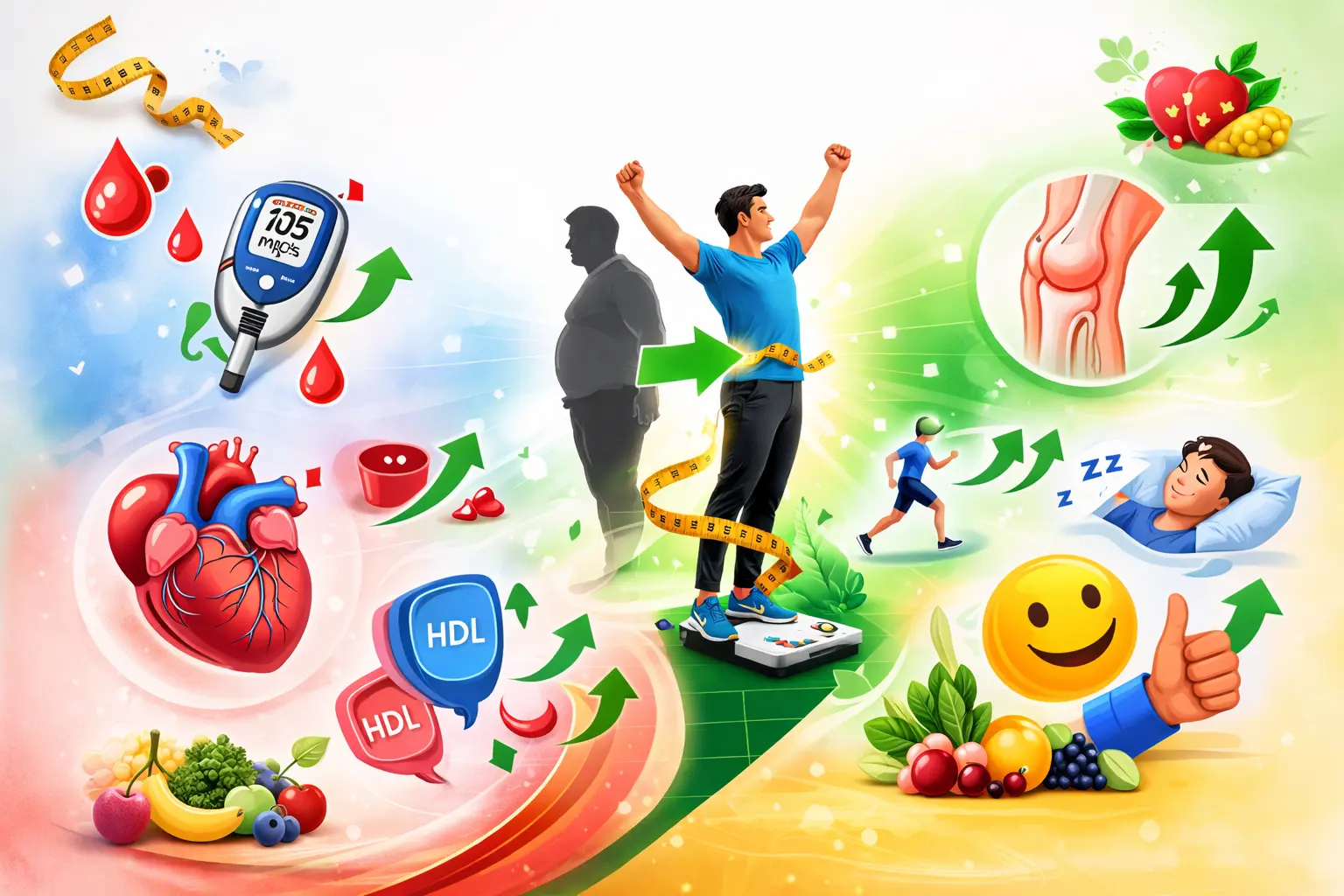
Significant weight reduction (20–30kg) typically results in measurable improvements in metabolic and cardiovascular health, including:
- BMI Reduction: Patients often see a decrease of 5–10 BMI points, moving them closer to a healthy weight range. This reduction significantly lowers the risk of obesity-related complications.
- Improved Blood Sugar Control: For patients with prediabetes or type 2 diabetes, weight loss can enhance insulin sensitivity and, in some cases, reduce or eliminate the need for medication.
- Lower Cholesterol & Blood Pressure: Shedding excess weight improves lipid profiles and reduces hypertension, which lowers long-term cardiovascular risks.
- Joint Health & Mobility: Reduced weight eases pressure on knees, hips, and lower back, improving mobility and reducing chronic pain associated with osteoarthritis.
2. Psychological and Lifestyle Transformation
Weight loss is not just physical — it affects mental and emotional well-being:
- Enhanced Self-Confidence: Many patients report increased self-esteem, improved body image, and higher participation in social and professional activities.
- Better Mood and Mental Health: Reduction in obesity-related stress and improvement in sleep quality can alleviate depression and anxiety.
- Motivation for Healthy Lifestyle Choices: Post-procedure patients are often more engaged in exercise, nutrition, and wellness routines, sustaining their weight loss long-term.
→ “Success Stories: Gastric Balloon and Sleeve Patients in Turkey”
3. Personalized Goals for Optimal Outcomes
Achieving 20–30kg weight loss requires tailored planning, considering:
- Patient Profile: Age, gender, baseline weight, and comorbidities influence procedure selection.
- Medical History: Previous surgeries, gastrointestinal conditions, or metabolic disorders may determine eligibility for balloon or sleeve surgery.
- Lifestyle & Commitment: Both procedures require dietary adherence, exercise, and follow-up consultations. Sleeve surgery often yields greater long-term results, while the balloon is ideal for patients seeking a temporary, reversible intervention.
- Nutrition & Behavior Support: Turkish clinics provide access to dietitians, behavioral therapists, and digital health tracking tools, ensuring sustainable results.
4. Realistic Expectations
Patients should understand that:
- Balloon Weight Loss: Typically 15–25kg over 6–12 months, dependent on lifestyle adherence.
- Sleeve Surgery Weight Loss: Typically 25–35kg in the first year, with long-term maintenance if lifestyle changes are followed.
- Plateaus and Maintenance: Weight loss may slow after initial months, but continued adherence to nutrition and exercise plans ensures lasting results.

5. Turkey’s Advantage for Achieving 20–30kg Weight Loss
Turkey’s medical tourism infrastructure supports safe, predictable, and luxurious weight loss journeys:
- Internationally Accredited Hospitals: JCI-accredited facilities ensure medical safety and high-quality standards.
- Experienced Bariatric Surgeons: Multilingual teams trained in Europe and the US provide personalized care.
- Integrated Patient Support: Pre-op evaluations, post-op monitoring, nutrition counseling, and VIP recovery suites.
→ “Book Your Free Consultation for Gastric Balloon or Sleeve Surgery in Turkey”
Option 1: Traditional Intragastric Balloon (6–12 Months)
The gastric balloon is a minimally invasive, temporary solution for patients aiming to lose 15–25 kilograms over 6–12 months. Unlike surgical procedures, the balloon requires no incisions, making it ideal for patients who want a less invasive weight loss option or are not yet candidates for surgery.

What is a Gastric Balloon?
A gastric balloon is a medical device made of soft silicone, inserted endoscopically into the stomach and inflated with saline (or sometimes air) to occupy space in the stomach, which helps patients feel full faster. By reducing stomach volume, it naturally limits calorie intake and supports behavioral changes.
Key Features of the Balloon:
- Temporary: typically 6–12 months in place
- Non-surgical: no cuts, stitches, or general anesthesia required
- Reversible: balloon is removed endoscopically when the treatment period ends
- Lifestyle-focused: supports diet and exercise adherence for long-term results
Who is it ideal for?
- Patients with BMI 27–35 looking for moderate weight loss
- Individuals who want a non-surgical approach to kickstart weight loss
- Those preparing for later bariatric surgery as a preliminary weight-loss step
How the Procedure Works
- Pre-procedure Evaluation
Before insertion, patients undergo:
- Comprehensive blood work to check metabolic and organ function
- Abdominal ultrasound or imaging to rule out stomach abnormalities
- Nutritional and psychological assessment to ensure readiness
- Endoscopic Insertion
- Procedure performed under mild sedation
- Flexible endoscope guides the deflated balloon into the stomach
- Patient is closely monitored throughout for safety
- Inflation
- Balloon is inflated with 400–700 ml of saline (customized per patient)
- Volume adjusted to balance early satiety without discomfort
- Recovery & Hospital Stay
- Usually outpatient, patients can go home the same day
- Mild discomfort, bloating, or nausea may occur for 2–5 days
- Lifestyle Integration
- Personalized diet plan designed by bariatric nutritionists
- Exercise guidance to support gradual weight loss
- Behavioral therapy and follow-ups ensure sustainable habits

Expected Weight Loss and Timeline
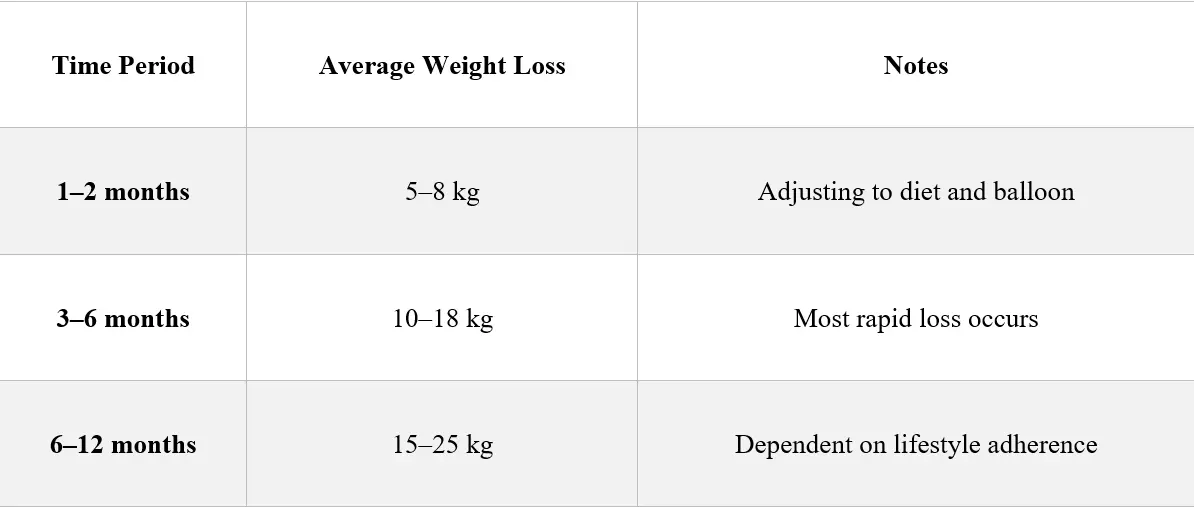
- Success depends on patient commitment to diet, exercise, and behavioral therapy
- Weight loss plateaus are common; continuous monitoring is key
Risks, Limitations & Safety
Although safe and FDA-approved, patients should be aware of potential risks and limitations:
Common Side Effects:
- Nausea, vomiting, or mild abdominal pain (usually resolves in 3–5 days)
- Temporary bloating or reflux
Rare Complications:
- Balloon deflation or migration (requires immediate removal)
- Gastric ulcer or irritation
- Esophageal discomfort
Limitations:
- Balloon is temporary, weight may return if lifestyle changes aren’t maintained
- Not suitable for patients with:
- Previous gastric surgery
- Stomach ulcers or hernia
- Severe gastrointestinal disease
Recovery & Lifestyle Integration
The first two weeks post-insertion are crucial for adaptation:
- Diet Progression:
- Liquids only (first 3–5 days)
- Purees and soft foods (next 1–2 weeks)
- Gradual introduction of regular foods
- Activity: Light activity encouraged immediately; normal activities resume in 1–2 days
- Follow-Up: Monthly check-ins with nutritionist and doctor to monitor weight loss, ensure balloon integrity, and adjust diet
Long-Term Lifestyle Tips:
- Regular exercise (walking, swimming, or light cardio)
- Balanced diet emphasizing protein, vegetables, and low sugar
- Behavioral support to prevent rebound weight gain
Cost Overview (2025, Euro)
.webp)
Note: Turkey offers comprehensive medical tourism packages including airport transfers, luxury recovery suites, and personalized diet counseling — a combination rarely available in Europe or the US at this price.
→ “Book Your Free Consultation for Gastric Balloon in Turkey”
Option 2: Gastric Sleeve Surgery (Sleeve Gastrectomy)
Gastric sleeve surgery, or sleeve gastrectomy, is considered the gold standard for permanent bariatric weight loss. It is a minimally invasive laparoscopic procedure that removes approximately 75–80% of the stomach, leaving a narrow, tubular “sleeve.” This limits the amount of food the stomach can hold, reduces hunger hormones such as ghrelin, and improves metabolic function.

Who is a Candidate for Gastric Sleeve Surgery?
Ideal candidates include:
- Patients with BMI ≥35, or ≥30 with obesity-related conditions (diabetes, hypertension, sleep apnea)
- Individuals who need significant, long-term weight loss (20–40 kg depending on starting weight)
- Those who have not achieved lasting weight loss through diet, exercise, or non-surgical interventions
- Patients prepared for strict adherence to post-operative lifestyle changes
This procedure is especially recommended for international patients seeking a permanent, high-success solution for obesity, compared to temporary measures like gastric balloons.
Surgical Procedure Steps
- Comprehensive Pre-Op Assessment
- Blood tests, liver and kidney function checks
- Abdominal imaging and endoscopy to ensure suitability
- Nutritional and psychological evaluation
- Consultation with bariatric surgeon to tailor sleeve size and approach
- Laparoscopic Surgery
- 3–5 small incisions in the abdomen
- Removal of 75–80% of the stomach using surgical staplers
- Creation of a narrow, tubular stomach sleeve
- Surgery typically lasts 60–90 minutes
- Performed under general anesthesia
- Hospital Recovery
- Average hospital stay: 2–3 days
- Monitoring for immediate post-op complications
- Pain management and hydration via IV fluids
- Post-Operative Care
- Gradual diet progression: liquids → pureed foods → soft foods → regular diet
- Vitamin and mineral supplementation to prevent deficiencies
- Monthly follow-ups in the first 6 months, then quarterly
Expected Weight Loss Timeline
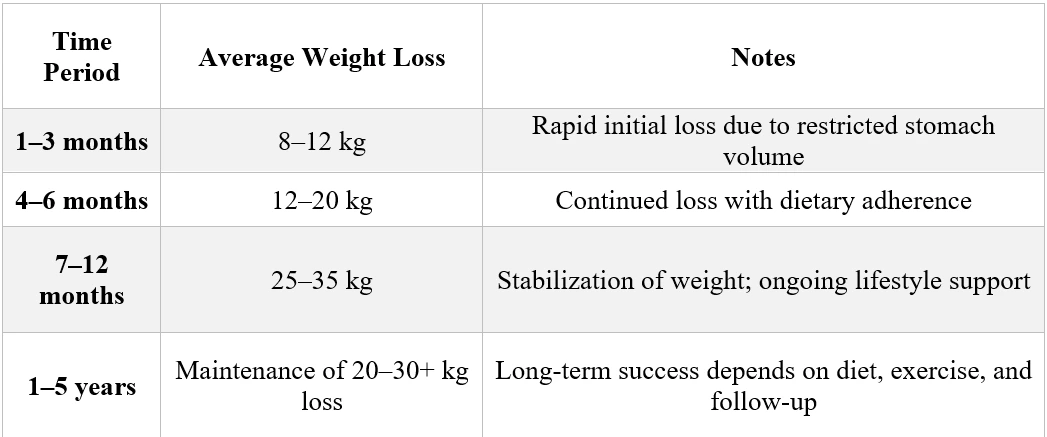
💡 Note: Sleeve surgery often leads to greater total weight loss than a balloon and is permanent, offering metabolic improvements such as better blood sugar control, reduced hypertension, and improved joint function.
Risks and Complications
Like any surgical procedure, sleeve gastrectomy carries potential risks:
Common Risks:
- Mild nausea, vomiting, or reflux during recovery
- Temporary fatigue and discomfort at incision sites
Serious but Rare Complications:
- Staple line leak (requires urgent intervention)
- Infection or bleeding
- Nutritional deficiencies (iron, vitamin B12, calcium, vitamin D)
- Gastroesophageal reflux disease (GERD) in some patients
Safety in Turkey:
Turkey’s JCI-accredited hospitals ensure adherence to international safety standards, minimizing risks for international patients while providing luxury post-op recovery suites and 24/7 multilingual support.
Recovery & Lifestyle Integration
- Immediate Recovery
- Hospital stay: 2–3 days
- Early mobility encouraged to prevent blood clots
- Pain and nausea controlled with medications
- Diet Progression
- Phase 1: Clear liquids (water, broth, sugar-free drinks) for 3–5 days
- Phase 2: Full liquids (protein shakes, low-fat yogurt) for 1–2 weeks
- Phase 3: Pureed foods for 2–3 weeks
- Phase 4: Soft foods for 2 weeks
- Phase 5: Gradual return to regular solid foods with portion control
- Exercise
- Light activity immediately post-op (walking)
- Strength and cardio exercises introduced gradually after 2–4 weeks
- Goal: at least 150 minutes of moderate activity per week
- Follow-Up Care
- Regular check-ins with bariatric dietitian
- Blood tests for vitamin and mineral levels
- Ongoing behavioral support to prevent weight regain
Cost Overview (2025, Euro)
%204.webp)
Note: Turkey’s medical tourism packages often include VIP transfers, private suites, nutrition counseling, and multilingual support, offering a luxury yet cost-effective experience.
Balloon vs Sleeve Surgery: Head-to-Head Comparison
Lose 15–20 kg without surgery?
Or 30–40 kg with permanent stomach reduction?
When comparing gastric balloon vs sleeve surgery in Turkey, the difference isn’t just about weight loss — it’s about commitment, recovery, risk level, and long-term transformation.
This detailed comparison reveals:
- Expected weight loss results
- Cost differences in Turkey
- Safety and complication rates
- Recovery time
- Who qualifies for each procedure
By the end, you’ll clearly know which option matches your body goals and lifestyle.
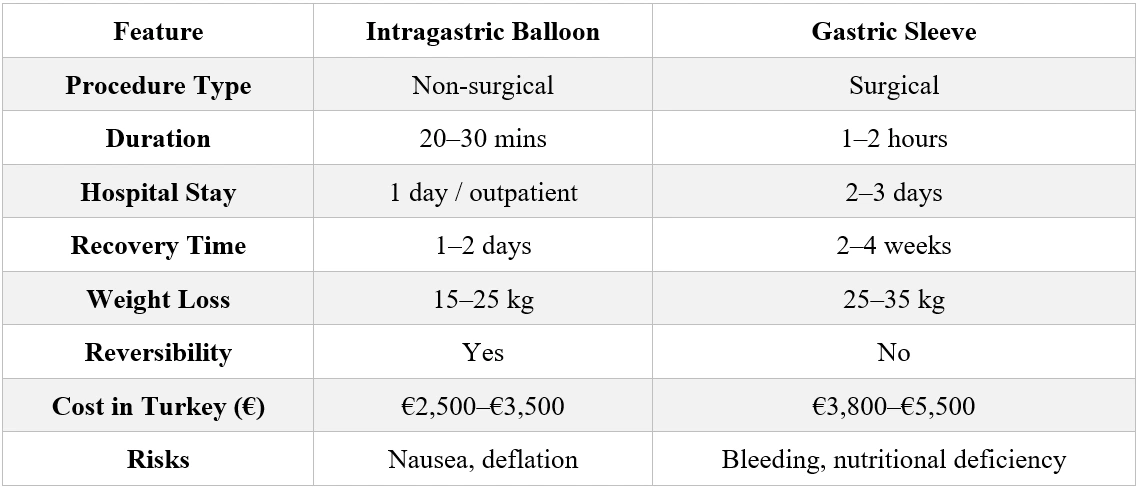
Factors to Consider When Choosing Between Gastric Balloon and Sleeve Surgery
Choosing between a traditional intragastric balloon (6–12 months) and gastric sleeve surgery is not simply about how much weight you want to lose. It is about long-term health goals, metabolic profile, lifestyle discipline, travel capacity, and psychological readiness.
Below is a comprehensive breakdown of the most important decision factors international patients must evaluate before selecting a procedure in Turkey.
1️⃣ Lifestyle Adherence & Behavioral Commitment
One of the most critical differences between a gastric balloon and sleeve gastrectomy lies in how much the procedure relies on patient behavior.
🔹 Gastric Balloon: Discipline-Dependent Success
The balloon is a temporary space-occupying device. It does not permanently alter stomach anatomy. Its effectiveness depends heavily on:
- Strict dietary compliance
- Portion control discipline
- Avoidance of high-calorie liquids
- Consistent follow-up with a nutritionist
- Long-term habit formation before removal
Once removed (after 6–12 months), the stomach returns to normal size. If healthy eating patterns are not fully established, weight regain is possible.
This makes the balloon ideal for:
- Patients seeking moderate weight loss (10–20 kg)
- Those wanting a reversible option
- Individuals unsure about permanent surgery
However, it requires strong self-control and structured lifestyle coaching.
🔹 Gastric Sleeve: Physiological Support for Lifestyle Change
Sleeve surgery is fundamentally different.
It:
- Removes ~75–80% of the stomach
- Reduces ghrelin (hunger hormone)
- Permanently restricts food capacity
- Enhances metabolic hormone response
This means the body itself supports weight loss.
Even patients who previously struggled with diet compliance often find:
- Reduced appetite
- Faster satiety
- Less emotional hunger
That said, lifestyle discipline is still essential — but the biological support system makes adherence more sustainable.
2️⃣ Medical History & Clinical Suitability
Not every patient qualifies for both procedures.
🔹 When Balloon May NOT Be Suitable
Gastric balloon placement may be contraindicated in patients with:
- Severe acid reflux (GERD)
- Large hiatal hernia
- Active stomach ulcers
- Previous gastric surgery
- Severe liver disease
- Certain inflammatory bowel conditions
Because the balloon sits inside the stomach, pre-existing gastric conditions can worsen symptoms such as:
- Persistent vomiting
- Severe reflux
- Gastric intolerance
A thorough endoscopy is required before placement.
🔹 When Sleeve May Require Extra Evaluation
Sleeve surgery requires more advanced screening:
- Cardiac evaluation
- Pulmonary function testing
- Blood clotting risk assessment
- Psychological readiness assessment
- Nutritional deficiency screening
Patients with uncontrolled diabetes, severe obesity (BMI > 40), or obesity-related complications often benefit significantly from sleeve surgery due to its metabolic impact.
3️⃣ Long-Term Results & Sustainability
This is often the most decisive factor.
🔹 Gastric Balloon Long-Term Results
Average weight loss:
- 10–20 kg in 6–12 months
- 10–15% total body weight reduction
However, long-term maintenance depends entirely on post-removal habits.
Studies show:
- Some patients maintain weight loss successfully
- Others regain 30–50% of lost weight if lifestyle changes are not sustained
Balloon = tool for behavior reset
🔹 Gastric Sleeve Long-Term Results
Average weight loss:
- 20–35+ kg within 12–18 months
- 60–75% excess weight loss
- Long-term maintenance up to 5+ years in many patients
Additional metabolic benefits:
- Type 2 diabetes improvement or remission
- Reduced blood pressure
- Improved cholesterol profile
- Reduced sleep apnea severity
Sleeve = structural and hormonal transformation
4️⃣ Travel & Recovery Preferences (Medical Tourism Considerations)
For international patients coming to Turkey, travel logistics matter.
🔹 Gastric Balloon Travel Advantage
- Procedure duration: 20–30 minutes
- Hospital stay: same day or 1 night
- Total stay in Turkey: 3–5 days
- Return to light work: 3–7 days
Ideal for:
- Busy professionals
- Patients unable to take extended leave
- Those wanting minimal downtime
However, removal requires either:
- Return travel to Turkey
OR - Removal in home country (if coordinated)
🔹 Sleeve Surgery Travel Requirements
- Surgery duration: 60–90 minutes
- Hospital stay: 2–3 days
- Recommended stay in Turkey: 7–10 days
- Full recovery: 2–4 weeks
This is a bigger commitment but eliminates the need for a second procedure (like balloon removal).
5️⃣ Psychological Readiness & Emotional Factors
Weight loss surgery is not just physical — it is deeply psychological.
Balloon May Suit:
- Patients anxious about permanent surgery
- Individuals wanting to “test” surgical-style restriction
- First-time medical tourists
Sleeve May Suit:
- Patients tired of repeated dieting cycles
- Individuals seeking definitive change
- Those emotionally ready for permanent anatomical modification
Many patients describe sleeve surgery as:
“A life reset, not just a weight loss tool.”
6️⃣ Risk Tolerance & Safety Profile
Balloon Risks:
- Nausea (common first week)
- Vomiting
- Intolerance leading to early removal (rare)
- Dehydration if not managed
No incisions. No anatomical removal.
Sleeve Risks:
- Surgical complications (rare in accredited centers)
- Staple line leak
- Bleeding
- Nutritional deficiencies (manageable with supplements)
- Possible reflux development
However, in accredited Turkish institutions, complication rates are comparable to Western Europe.
📌 All treatments and services will be carried out in health institutions accredited by the Turkish Ministry of Health and possessing a certificate of authorization in health tourism.
7️⃣ Financial Planning & Value Analysis
Balloon:
- Lower upfront cost
- May require repeat treatment
- Potential need for future surgery
Sleeve:
- Higher upfront investment
- Long-term metabolic benefits
- No repeat removal procedure
For many international patients, sleeve surgery represents:
Higher value per kilogram lost over time.
Why Choose Turkey for Bariatric Surgery?
- Accredited Hospitals: Over 50 JCI-accredited facilities
- Experienced Surgeons: Trained in Europe & North America, multilingual staff
- Luxury VIP Experience: Private suites, chauffeur service, personalized diet planning
- Affordable Cost: 60–75% lower than Europe/US without compromising quality
- Integrated Medical Tourism: Combine healthcare with sightseeing & recovery
→ “Why Turkey Became the World’s Top Destination for Medical Tourism”
Preparing for Your Bariatric Procedure in Turkey
Successful weight loss treatment does not begin in the operating room — it begins with thorough medical planning, structured preparation, and personalized evaluation.
International patients traveling to Turkey for gastric balloon or sleeve surgery benefit from a highly coordinated, step-by-step system designed to ensure both safety and optimal outcomes.
1️⃣ Comprehensive Digital Diagnostics & Medical Assessment
Before any bariatric procedure is confirmed, patients undergo a detailed clinical screening process.
Pre-Procedure Evaluations Include:
- Complete blood panel (CBC, liver, kidney function, thyroid profile)
- Fasting glucose and HbA1c (for diabetes screening)
- Vitamin and mineral deficiency screening
- Hormonal assessment (if needed)
- Abdominal ultrasound
- Upper GI endoscopy (mandatory for balloon candidates)
- Cardiology clearance (for sleeve surgery)
- Pulmonary function test (if indicated)
- BMI and body composition analysis
In advanced facilities, 3D body composition scanners evaluate:
- Fat mass percentage
- Visceral fat levels
- Muscle mass ratio
- Basal metabolic rate
This allows physicians to customize:
- Balloon volume
- Sleeve surgical planning
- Nutritional targets
- Expected weight-loss projections
2️⃣ Nutritional & Psychological Readiness Assessment
Bariatric success is not only surgical — it is behavioral.
Patients meet with:
- Certified bariatric nutritionists
- Behavioral health specialists
- International patient coordinators
Goals of This Stage:
- Identify emotional eating patterns
- Assess readiness for long-term lifestyle change
- Prepare patients for portion control adjustments
- Establish protein and hydration targets
- Educate about supplementation needs
For sleeve surgery, patients often begin a 2-week pre-operative liver-shrinking diet, which:
- Reduces liver size
- Improves surgical visibility
- Minimizes complication risk
3️⃣ Travel & Accommodation: A Structured Medical Tourism Experience
One of Turkey’s major advantages is its integrated healthcare and hospitality infrastructure.
International patients receive coordinated services including:
- VIP airport pickup and private transfer
- Dedicated multilingual case manager
- Luxury hotel partnerships (4–5 star accommodations)
- Private hospital suites
- Post-operative nurse support
- 24/7 communication assistance
Most balloon patients stay:
3–5 days total
Most sleeve patients stay:
7–10 days total
This ensures safe monitoring before returning home.
4️⃣ Pre-Operative Lifestyle Preparation
Patients are instructed to:
- Stop smoking 2–4 weeks before surgery
- Avoid alcohol
- Begin light physical activity (walking recommended)
- Increase protein intake
- Reduce simple carbohydrates
- Stay hydrated (minimum 2 liters daily)
These steps significantly reduce surgical risk and enhance healing speed.
Post-Procedure Care and Long-Term Success
Long-term weight loss success depends heavily on structured post-operative care.
Turkey’s accredited institutions implement a detailed, medically supervised aftercare plan for international patients.
1️⃣ Immediate Recovery Phase
Gastric Balloon:
- Mild nausea expected for 3–5 days
- Anti-nausea medication prescribed
- Liquid hydration priority
- Gradual dietary transition
Gastric Sleeve:
- Hospital stay 2–3 days
- Leak test performed before discharge
- Pain management protocol
- Early mobilization to prevent blood clots
Patients are monitored for:
- Hydration status
- Vital signs stability
- Gastrointestinal adaptation
- Nutritional tolerance
2️⃣ Structured Diet Progression Plan
Phase 1: Clear Liquids (Days 1–5)
- Water
- Broth
- Sugar-free electrolyte fluids
- Protein water
Phase 2: Full Liquids (Week 1–2)
- Protein shakes
- Blended soups
- Low-fat yogurt
- Smooth consistency foods
Phase 3: Soft Foods (Week 3–4)
- Scrambled eggs
- Soft fish
- Mashed vegetables
- Cottage cheese
Phase 4: Solid Balanced Diet (After Week 4)
- Lean proteins
- Cooked vegetables
- Controlled complex carbs
- Strict portion regulation
Protein intake target:
60–90g daily (higher for sleeve patients)
Hydration goal:
1.5–2 liters daily (small sips)
3️⃣ Exercise & Lifestyle Integration
Physical activity begins immediately with light walking.
By week 4–6 (sleeve) or week 2 (balloon):
- Cardio exercises increase gradually
- Resistance training introduced
- Muscle preservation emphasized
Maintaining lean muscle mass:
- Boosts metabolism
- Prevents weight regain
- Enhances body contour results
4️⃣ Long-Term Monitoring & Remote Follow-Up
International patients receive:
- 6–12 months virtual follow-up
- Nutritional check-ins
- Supplement monitoring
- Weight tracking
- Psychological support sessions
This structured aftercare significantly improves long-term sustainability.
📌 All treatments and services will be carried out in health institutions accredited by the Turkish Ministry of Health and possessing a certificate of authorization in health tourism.
Real Success Stories (Patient Transformations)
Real patient journeys highlight the emotional and physical transformation possible through bariatric procedures in Turkey.
Sophia — Germany
Procedure: Traditional Intragastric Balloon
Weight Lost: 22 kg in 9 months
Sophia struggled with post-pregnancy weight gain. After balloon placement:
- She lost 22 kg
- Reduced emotional eating
- Regained confidence
- Established sustainable habits before removal
“The structure and support changed my mindset completely.”
.jpg)
James — United Kingdom
Procedure: Gastric Sleeve Surgery
Weight Lost: 32 kg in 14 months
James had battled obesity for over 15 years. After sleeve surgery:
- Diabetes markers normalized
- Blood pressure stabilized
- Energy levels dramatically improved
“It wasn’t just weight loss — it was a complete health reset.”
%20(1).webp)
Isabelle — France
Procedure: Sleeve Gastrectomy
Results: 38 kg lost + diabetes remission
Isabelle experienced:
- Improved mobility
- Better sleep
- Increased emotional well-being
- Reduced medication dependence
“I gained my life back.”
%20(1).webp)
Long-Term Transformation: Beyond Weight Loss
Bariatric procedures in Turkey often lead to:
- Improved metabolic health
- Reduced cardiovascular risk
- Hormonal balance restoration
- Enhanced fertility in some patients
- Improved mental health and self-esteem
For many international patients, the journey represents:
Not just losing 20–30 kg —
But reclaiming health, energy, and confidence.
Frequently Asked Questions
1. Which procedure is safer?
Both are safe when performed in accredited Turkish hospitals. Balloon is non-surgical, sleeve is surgical.
2. Can I regain weight after a balloon?
Yes, without lifestyle changes, weight may return post-removal.
3. Is gastric sleeve permanent?
Yes — the stomach is permanently reduced; careful diet is required.
4. How long should I stay in Turkey?
Balloon: 3–5 days; Sleeve: 7–10 days including follow-up.
5. Can I combine treatment with tourism?
Absolutely — recovery and leisure can be integrated in Istanbul, Antalya, or Cappadocia.
Final Thoughts: Your Transformation Starts With the Right Decision
Losing 20–30 kilograms is not simply about appearance — it is about reclaiming your health, restoring confidence, and investing in your future.
Whether you choose a traditional intragastric balloon (6–12 months) or a permanent gastric sleeve surgery, the most important step is choosing a medically supervised, internationally accredited pathway that prioritizes both safety and long-term success.
There is no one-size-fits-all solution — only the solution that fits your body, your goals, and your lifestyle.
Ready to Lose 20–30kg Safely and Confidently?
If you are considering gastric balloon or sleeve surgery in Turkey, the first step is a professional assessment.
✔️ Get a personalized weight-loss plan
✔️ Understand which procedure suits your BMI and health profile
✔️ Receive transparent cost details
✔️ Learn about travel, recovery time, and expected results
📩 Book Your Free Online Consultation Today
Speak with our medical consultant and receive:
- Preliminary eligibility evaluation
- Estimated weight-loss projection
- Detailed treatment timeline
- Travel and accommodation overview
Your healthier future can begin with one decision.
👉 Contact us now and take the first step toward lasting transformation.

📌 All treatments and services will be carried out in health institutions accredited by the Turkish Ministry of Health and possessing a certificate of authorization in health tourism.
References
- Angrisani, L., Santonicola, A., Iovino, P., Formisano, G., Buchwald, H., & Scopinaro, N. (2018). Bariatric Surgery Worldwide 2013. Obesity Surgery, 28(12), 3421–3432.
- Mechanick, J. I., Apovian, C., Brethauer, S., et al. (2020). Clinical practice guidelines for the perioperative nutrition, metabolic, and nonsurgical support of patients undergoing bariatric procedures. Obesity, 28(4), 1–58.
- Genco, A., Romano, G., Guida, P., & Spagnuolo, G. (2019). Bariatric Surgery in Europe: Outcomes and Safety. Surgical Endoscopy, 33, 306–318.
- Puzziferri, N., & Roshek, T. B. (2015). Long-term follow-up after bariatric surgery: Weight loss, comorbidity resolution, and nutritional issues. JAMA, 313(11), 1116–1130.
- FDA. (2021). Intragastric Balloon System for Weight Loss. U.S. Food & Drug Administration.
.png)
.png)



.png)


