




.png)

غير حياتك مع فقدان الوزن في تركيا
فقدان 20–30 كغ ليس مجرد رقم على الميزان، بل هو استعادة صحتك، ثقتك بنفسك، وجودة حياتك. بالنسبة للمرضى الذين يعانون من السمنة أو الوزن الزائد، قد لا تكون الطرق التقليدية مثل النظام الغذائي والتمارين كافية. اليوم، تقدم الإجراءات الطبية المتقدمة مثل بالون المعدة وجراحة تكميم المعدة حلولاً فعّالة، آمنة، ودائمة.
برزت تركيا كوجهة رائدة عالمياً في جراحات السمنة، بفضل مرافق طبية متطورة، وجراحين معتمدين دولياً، وتجارب علاجية فاخرة للمرضى. من إسطنبول إلى أنطاليا، يسافر المرضى من مختلف دول العالم إلى تركيا ليس فقط من أجل العمليات بتكلفة مناسبة، بل أيضاً للاستمتاع بحزم سياحة طبية VIP تضمن رحلة تعافي سلسة.
.webp)
الارتفاع العالمي في السياحة العلاجية لجراحات السمنة
شهدت السياحة العلاجية نمواً هائلاً في السنوات الأخيرة، خاصة فيما يتعلق بفقدان الوزن والإجراءات الجراحية للسمنة. ملايين المرضى حول العالم يبحثون عن حلول طبية عالية الجودة، آمنة، وبأسعار مناسبة في الخارج.
تتميز تركيا كمركز عالمي للمرضى الدوليين الراغبين في جراحات السمنة بفضل:
- انخفاض التكلفة مقارنة بأوروبا والولايات المتحدة (أرخص بنسبة 60–75%)
- الوصول إلى جراحين مؤهلين، متعددي اللغات وذوي خبرة عالية
- بنية تحتية حديثة للمستشفيات والمرافق الطبية المتطورة
- أجنحة تعافي VIP فاخرة وخدمات ضيافة متكاملة
المرضى من المملكة المتحدة، فرنسا، ألمانيا، إسبانيا، إيطاليا، والولايات المتحدة يختارون تركيا بشكل متزايد لإجراء جراحات فقدان الوزن التي تغير حياتهم، مستفيدين من التميز الطبي وتجربة سفر علاجية مريحة ومميزة.
أهداف فقدان الوزن: 20–30 كغ
فقدان 20–30 كغ يمثل نقطة تحول حقيقية تتجاوز المظهر الجمالي، حيث يمكن أن يحسّن الصحة العامة، الحركة، وجودة الحياة. تحقيق ذلك عبر الإجراءات الجراحية للسمنة في تركيا — سواءً من خلال بالون المعدة التقليدي أو جراحة تكميم المعدة — يتم وفق خطوات منظمة، بإشراف طبي متخصص يجمع بين الخبرة الطبية المتقدمة ورعاية فاخرة للمرضى.
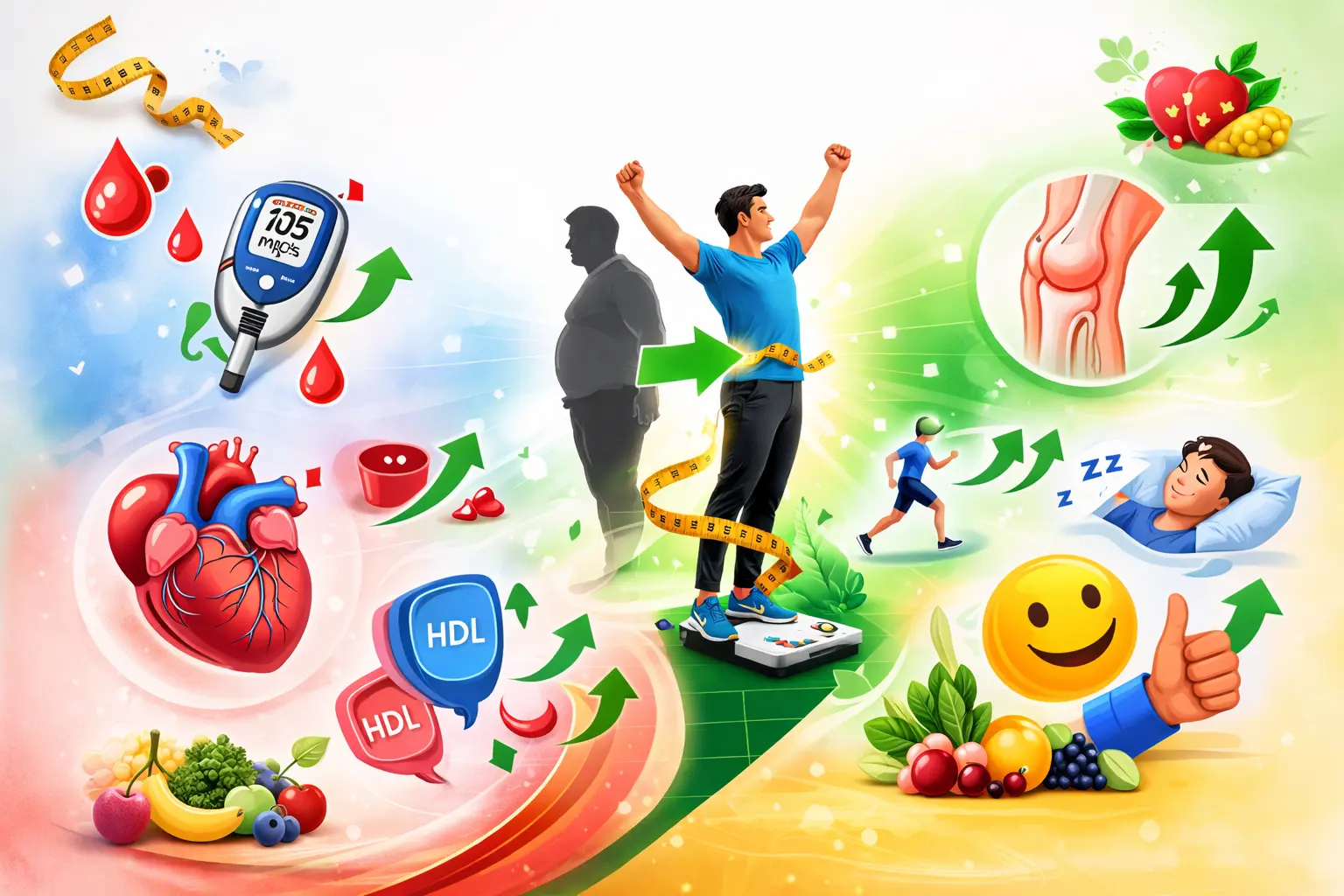
1. التأثيرات السريرية والفوائد الصحيةيؤدي فقدان الوزن الكبير (20–30 كغ) عادة إلى تحسينات ملموسة في الصحة الأيضية والقلبية، بما في ذلك:
- انخفاض مؤشر كتلة الجسم (BMI): غالباً ما يشهد المرضى انخفاضاً بمقدار 5–10 نقاط، ما يقربهم من نطاق الوزن الصحي ويقلل بشكل كبير من مخاطر المضاعفات المرتبطة بالسمنة.
- تحسين التحكم في سكر الدم: للمرضى المصابين بمقدمات السكري أو السكري من النوع الثاني، يمكن لفقدان الوزن تعزيز حساسية الأنسولين، وفي بعض الحالات يقلل أو يلغي الحاجة للأدوية.
- خفض الكوليسترول وضغط الدم: يؤدي فقدان الوزن إلى تحسين مستويات الدهون في الدم وتقليل ارتفاع ضغط الدم، ما يقلل المخاطر القلبية على المدى الطويل.
- صحة المفاصل والحركة: يخفف تقليل الوزن الضغط على الركبتين، الوركين، وأسفل الظهر، مما يحسن الحركة ويقلل الألم المزمن المرتبط بالفصال العظمي.
2. التحول النفسي ونمط الحياة
فقدان الوزن ليس مجرد تغيير جسدي، بل يؤثر بشكل كبير على الصحة النفسية والعاطفية:
- زيادة الثقة بالنفس: العديد من المرضى يلاحظون تحسناً في تقدير الذات، وتحسين الصورة الجسدية، وزيادة المشاركة في الأنشطة الاجتماعية والمهنية.
- تحسين المزاج والصحة النفسية: تقليل التوتر المرتبط بالسمنة وتحسين جودة النوم يساعد على التخفيف من الاكتئاب والقلق.
- التحفيز لنمط حياة صحي: بعد الإجراءات، يكون المرضى أكثر التزاماً بالتمارين الغذائية وروتين الصحة العامة، مما يضمن الحفاظ على فقدان الوزن على المدى الطويل.
→ قصص نجاح: مرضى بالون المعدة وجراحة التكميم في تركيا
3. أهداف شخصية لتحقيق أفضل النتائج
تحقيق فقدان 20–30 كغ يتطلب تخطيطاً مخصصاً يأخذ في الاعتبار:
- الملف الشخصي للمريض: العمر، الجنس، الوزن الأساسي، والأمراض المصاحبة تؤثر على اختيار الإجراء الأنسب.
- التاريخ الطبي: العمليات السابقة، مشاكل الجهاز الهضمي، أو اضطرابات الأيض قد تحدد مدى ملاءمة بالون المعدة أو جراحة التكميم.
- نمط الحياة والالتزام: كلا الإجراءين يتطلبان الالتزام بالنظام الغذائي، ممارسة الرياضة، والمتابعة الطبية. عادةً ما تعطي جراحة التكميم نتائج طويلة الأمد أكبر، بينما يكون بالون المعدة مثالياً للمرضى الذين يبحثون عن حل مؤقت وقابل للعكس.
- الدعم الغذائي والسلوكي: توفر العيادات التركية الوصول إلى أخصائيي تغذية، معالجين سلوكيين، وأدوات تتبع صحية رقمية لضمان نتائج مستدامة.
4. توقعات واقعية
يجب على المرضى فهم أن:
- فقدان الوزن بالبالون: عادةً 15–25 كغ خلال 6–12 شهرًا، حسب الالتزام بنمط الحياة.
- فقدان الوزن بجراحة التكميم: عادةً 25–35 كغ في السنة الأولى، مع الحفاظ على النتائج على المدى الطويل عند اتباع تغييرات نمط الحياة.
- توقف مؤقت وصيانة النتائج: قد يبطئ فقدان الوزن بعد الأشهر الأولى، لكن الالتزام المستمر بالنظام الغذائي والتمارين يضمن نتائج دائمة.

5. ميزة تركيا لتحقيق فقدان وزن 20–30 كغ
توفر البنية التحتية للسياحة العلاجية في تركيا رحلة فقدان وزن آمنة، متوقعة، وفاخرة:
- مستشفيات معتمدة دولياً: المرافق الحاصلة على اعتماد JCI تضمن أعلى معايير السلامة والجودة الطبية.
- جراحون ذوو خبرة في السمنة: فرق متعددة اللغات ومدربة في أوروبا والولايات المتحدة تقدم رعاية شخصية ومخصصة لكل مريض.
- دعم متكامل للمرضى: تقييمات قبل العملية، متابعة بعد العملية، استشارات تغذية، وأجنحة تعافي VIP فاخرة.
→ احجز استشارتك المجانية لجراحة بالون المعدة أو التكميم في تركيا
الخيار الأول: بالون المعدة التقليدي (6–12 شهرًا)
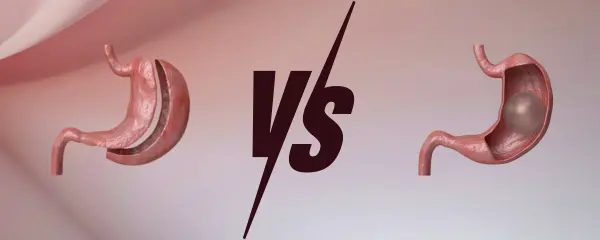
بالون المعدة هو حل مؤقت وغير جراحي لفقدان الوزن، مناسب للمرضى الراغبين في فقدان 15–25 كغ خلال 6–12 شهرًا. على عكس الإجراءات الجراحية، لا يحتاج البالون لأي شقوق، مما يجعله خيارًا مثالياً للمرضى الذين يبحثون عن حل أقل تدخلاً أو الذين لم يكونوا مؤهلين بعد للجراحة.

ما هو بالون المعدة؟
بالون المعدة هو جهاز طبي مصنوع من السيليكون الناعم، يُدخل عن طريق التنظير الداخلي إلى المعدة ويُملأ بالمحلول الملحي (أو أحياناً بالهواء) ليشغل حيزاً داخل المعدة، مما يساعد المرضى على الشعور بالشبع بسرعة أكبر. عن طريق تقليل حجم المعدة، يقلل البالون بشكل طبيعي من كمية السعرات الحرارية المستهلكة ويدعم تغييرات سلوكية للحفاظ على فقدان الوزن.
الميزات الرئيسية لبالون المعدة:
- مؤقت: يبقى عادةً من 6–12 شهرًا
- غير جراحي: لا يحتاج لشقوق أو غرز أو تخدير كامل
- قابل للإزالة: يُزال بالون المعدة بالتنظير عند انتهاء فترة العلاج
- يركز على نمط الحياة: يدعم الالتزام بالنظام الغذائي وممارسة الرياضة لتحقيق نتائج طويلة الأمد
من هم المرشحون المثاليون؟
- المرضى الذين لديهم مؤشر كتلة الجسم (BMI) بين 27–35 ويرغبون بفقدان وزن معتدل
- الأفراد الذين يفضلون نهجًا غير جراحي لبدء فقدان الوزن
- من يستعدون لاحقاً لجراحة السمنة كخطوة أولية لفقدان الوزن
كيف تتم العملية؟
1. تقييم قبل الإجراء
قبل إدخال البالون، يخضع المرضى لـ:
- فحوصات شاملة للدم للتحقق من وظائف الأيض والأعضاء
- تصوير بالموجات فوق الصوتية أو الأشعة لاستبعاد أي تشوهات في المعدة
- تقييم غذائي ونفسي لضمان استعداد المريض
2. الإدخال بالتنظير
- تُجرى العملية تحت مهدئ خفيف
- يقوم المنظار المرن بتوجيه البالون المطوي داخل المعدة
- يتم مراقبة المريض عن كثب لضمان السلامة
3. النفخ والتعديل
- يُملأ البالون عادةً بـ 400–700 مل من المحلول الملحي حسب حاجة كل مريض
- يتم ضبط الحجم لتحقيق الشبع المبكر دون شعور بعدم الراحة
4. التعافي والإقامة بالمستشفى
- غالبًا ما تكون العملية خارجية، ويمكن للمريض العودة إلى المنزل في نفس اليوم
- قد يشعر المريض ببعض الانزعاج، الانتفاخ، أو الغثيان لمدة 2–5 أيام
5. دمج نمط الحياة
- خطة غذائية شخصية مصممة من قبل أخصائيي تغذية السمنة
- إرشادات ممارسة الرياضة لدعم فقدان الوزن التدريجي
- العلاج السلوكي والمتابعة لضمان تكوين عادات صحية مستدامة

فقدان الوزن المتوقع والجدول الزمني

- نجاح بالون المعدة يعتمد على التزام المريض بالنظام الغذائي، ممارسة الرياضة، والعلاج السلوكي
- من الشائع الوصول إلى فترات توقف مؤقتة في فقدان الوزن، لذا تعتبر المتابعة المستمرة أمرًا أساسيًا للحفاظ على النتائج.
المخاطر والقيود والسلامة
بالرغم من أن بالون المعدة آمن ومعتمد من إدارة الغذاء والدواء الأمريكية (FDA)، يجب على المرضى معرفة المخاطر والقيود المحتملة:
الآثار الجانبية الشائعة:
- غثيان، قيء، أو آلام خفيفة في البطن (تختفي عادة خلال 3–5 أيام)
- انتفاخ مؤقت أو ارتجاع بسيط
المضاعفات النادرة:
- نزول أو هجرة البالون (تستلزم الإزالة الفورية)
- قرحة المعدة أو تهيجها
- شعور بعدم الراحة في المريء
القيود:
- البالون مؤقت، وقد يعود الوزن إذا لم يتم الحفاظ على تغييرات نمط الحياة
- غير مناسب للمرضى الذين لديهم:
- عمليات جراحية سابقة في المعدة
- قرح المعدة أو الفتق
- أمراض جهاز هضمي شديدة
التعافي ودمج نمط الحياة
الأسبوعان الأولان بعد الإدخال هما الأهم للتكيف:
- تدرج النظام الغذائي:
- السوائل فقط (الأيام 3–5 الأولى)
- الأطعمة المهروسة والطريّة (الأسبوع 1–2 التالي)
- إدخال الأطعمة العادية تدريجياً
- النشاط البدني:
- ممارسة نشاط خفيف فورًا
- العودة للأنشطة الطبيعية خلال 1–2 أيام
- المتابعة:
- مراجعات شهرية مع أخصائي التغذية والطبيب لمراقبة فقدان الوزن، التأكد من سلامة البالون، وضبط النظام الغذائي
نصائح طويلة المدى لنمط حياة صحي:
- ممارسة الرياضة بانتظام (المشي، السباحة، أو تمارين كارديو خفيفة)
- نظام غذائي متوازن يركز على البروتين، الخضروات، وقليل السكر
- دعم سلوكي لمنع استعادة الوزن بعد فقدانه
نظرة عامة على التكلفة (2026، باليورو)
.webp)
ملاحظة: تقدم تركيا حزم سياحة طبية متكاملة تشمل النقل من وإلى المطار، أجنحة تعافي فاخرة، واستشارات غذائية شخصية — وهو مزيج نادر الحصول عليه في أوروبا أو الولايات المتحدة بهذا السعر.
→ احجز استشارتك المجانية لبالون المعدة في تركيا
الخيار الثاني: جراحة تكميم المعدة (Sleeve Gastrectomy)
تُعد جراحة تكميم المعدة، أو Sleeve Gastrectomy، المعيار الذهبي لفقدان الوزن الدائم للسمنة. وهي إجراء تنظيري طفيف التوغل يتم فيه إزالة حوالي 75–80٪ من المعدة، ليبقى أنبوب ضيق يشبه "الكم".
تؤدي هذه العملية إلى:
- تقليل حجم المعدة، مما يحد من كمية الطعام التي يمكن تناولها
- خفض هرمونات الجوع مثل الغريلين
- تحسين الوظائف الأيضية وتعزيز فقدان الوزن بشكل دائم

من هو المرشح لجراحة تكميم المعدة؟
المرشحون المثاليون يشملون:
- المرضى الذين لديهم مؤشر كتلة الجسم (BMI) ≥35، أو ≥30 مع وجود مشاكل صحية مرتبطة بالسمنة مثل السكري، ارتفاع ضغط الدم، أو انقطاع النفس أثناء النوم.
- الأشخاص الذين يحتاجون لفقدان وزن كبير وطويل الأمد (20–40 كغ حسب الوزن الابتدائي).
- من لم يحققوا فقدان وزن مستمر عبر النظام الغذائي، التمارين، أو التدخلات غير الجراحية.
- المرضى المستعدون للالتزام الصارم بتغييرات نمط الحياة بعد العملية.
هذه العملية موصى بها بشكل خاص للمرضى الدوليين الباحثين عن حل دائم وناجح للسمنة مقارنة بالخيارات المؤقتة مثل بالون المعدة.
خطوات العملية الجراحية
1. تقييم شامل قبل العملية
- فحوصات دم، وفحوصات وظائف الكبد والكلى
- تصوير البطن وتنظير المعدة للتأكد من ملاءمة المريض
- تقييم غذائي ونفسي للتحضير للتغييرات بعد العملية
- استشارة مع جراح السمنة لتحديد حجم الكم والطريقة المناسبة
2. الجراحة بالمنظار (Laparoscopic Surgery)
- 3–5 شقوق صغيرة في البطن
- إزالة 75–80٪ من المعدة باستخدام دبابيس جراحية
- تشكيل أنبوب ضيق يشبه "الكم"
- عادةً تستغرق العملية 60–90 دقيقة تحت تخدير عام
3. التعافي في المستشفى
- مدة الإقامة: 2–3 أيام
- مراقبة المضاعفات المبكرة بعد العملية
- إدارة الألم والتغذية الوريدية حسب الحاجة
4. الرعاية بعد العملية
- تدرج النظام الغذائي: سوائل → أطعمة مهروسة → أطعمة طرية → النظام الغذائي العادي
- مكملات الفيتامينات والمعادن لتجنب النقص
- متابعة شهرية خلال أول 6 أشهر، ثم متابعة ربع سنوية
الجدول الزمني المتوقع لفقدان الوزن بعد جراحة تكميم المعدة

💡 ملاحظة: جراحة تكميم المعدة غالبًا ما تؤدي إلى فقدان وزن أكبر من بالون المعدة وتعتبر دائمة، كما تقدم تحسينات أيضية مثل التحكم الأفضل في سكر الدم، خفض ضغط الدم، وتحسين وظائف المفاصل.
المخاطر والمضاعفات
مثل أي عملية جراحية، تحمل جراحة التكميم بعض المخاطر المحتملة:
المخاطر الشائعة:
- غثيان خفيف، قيء، أو ارتجاع خلال فترة التعافي
- تعب مؤقت وعدم راحة في مواقع الشقوق
المضاعفات الخطيرة لكنها نادرة:
- تسرب عند خط الدبابيس (يتطلب تدخل عاجل)
- عدوى أو نزيف
- نقص العناصر الغذائية (الحديد، فيتامين B12، الكالسيوم، فيتامين D)
- بعض المرضى قد يصابون بارتجاع المريء (GERD)
السلامة في تركيا:
توفر المستشفيات التركية الحاصلة على اعتماد JCI معايير سلامة دولية، مما يقلل المخاطر للمرضى الدوليين، مع أجنحة تعافي فاخرة ودعم متعدد اللغات على مدار الساعة.
التعافي ودمج نمط الحياة
التعافي الفوري:
- مدة الإقامة بالمستشفى: 2–3 أيام
- تشجيع الحركة المبكرة لتجنب تكون الجلطات الدموية
- التحكم بالألم والغثيان بالأدوية
تدرج النظام الغذائي بعد العملية:
- المرحلة 1: سوائل صافية (ماء، مرق، مشروبات خالية من السكر) لمدة 3–5 أيام
- المرحلة 2: سوائل كاملة (مشروبات بروتين، زبادي قليل الدسم) لمدة 1–2 أسبوع
- المرحلة 3: أطعمة مهروسة لمدة 2–3 أسابيع
- المرحلة 4: أطعمة طرية لمدة أسبوعين
- المرحلة 5: العودة التدريجية للأطعمة الصلبة مع التحكم بالحصة الغذائية
التمارين الرياضية:
- نشاط خفيف مباشرة بعد العملية (المشي)
- تمارين القوة والكارديو تدريجيًا بعد 2–4 أسابيع
- الهدف: ممارسة 150 دقيقة على الأقل من النشاط المعتدل أسبوعيًا
المتابعة بعد العملية:
- مراجعات دورية مع أخصائي التغذية للسمنة
- فحوصات دم لمستويات الفيتامينات والمعادن
- دعم سلوكي مستمر لمنع استعادة الوزن
نظرة عامة على التكلفة (2026، باليورو)
%20..webp)
ملاحظة: غالبًا ما تشمل حزم السياحة الطبية في تركيا نقل VIP، أجنحة خاصة، استشارات غذائية، ودعم متعدد اللغات، مما يوفر تجربة فاخرة وفعّالة من حيث التكلفة.
بالون المعدة مقابل جراحة التكميم: مقارنة مباشرة
- فقدان الوزن المتوقع:
- بالون المعدة: 15–20 كغ بدون جراحة
- تكميم المعدة: 30–40 كغ مع تقليل دائم لحجم المعدة
- الفروقات الأساسية عند المقارنة:
- مستوى الالتزام والمتابعة المطلوبة
- فترة التعافي بعد الإجراء
- مستوى المخاطر والمضاعفات المحتملة
- النتائج طويلة الأمد والتحول الشامل في الصحة ونمط الحياة
- ما ستتعرف عليه من هذه المقارنة التفصيلية:
- نتائج فقدان الوزن المتوقعة لكل إجراء
- اختلافات التكلفة في تركيا
- معدلات السلامة والمضاعفات
- فترة التعافي
- من هم المرشحون لكل إجراء
بنهاية هذه المقارنة، ستعرف بالضبط أي خيار يتوافق مع أهداف جسمك ونمط حياتك.
مقارنة شاملة: بالون المعدة vs جراحة تكميم المعدة في تركيا (2026)
.webp)
العوامل التي يجب مراعاتها عند اختيار بين بالون المعدة وتكميم المعدة
اختيارك بين بالون المعدة التقليدي (6–12 شهرًا) وجراحة تكميم المعدة لا يعتمد فقط على مقدار الوزن الذي تريد فقدانه، بل يشمل أهدافك الصحية طويلة الأمد، الملف الأيضي، الانضباط في نمط الحياة، القدرة على السفر، والاستعداد النفسي. فيما يلي تحليل شامل لأهم العوامل التي يجب على المرضى الدوليين تقييمها قبل اختيار الإجراء في تركيا:
1️⃣ الالتزام بنمط الحياة والسلوكيات الغذائية
أحد أهم الاختلافات بين الإجراءين هو مدى اعتماد نجاح العملية على سلوك المريض:
🔹 بالون المعدة: نجاح مرتبط بالانضباط
- جهاز مؤقت داخل المعدة لا يغير التشريح بشكل دائم
- فعاليته تعتمد على:
- الالتزام الصارم بالنظام الغذائي
- التحكم بحجم الحصص الغذائية
- تجنب السوائل عالية السعرات
- متابعة مستمرة مع أخصائي تغذية
- تكوين عادات صحية قبل إزالة البالون
- عند الإزالة (بعد 6–12 شهرًا)، تعود المعدة لحجمها الطبيعي، وإذا لم تُحافظ على العادات الغذائية، قد يحدث استعادة للوزن
- مثالي لـ:
- من يبحث عن فقدان وزن معتدل (10–20 كغ)
- الراغبين بخيار قابل للعكس
- غير المستعدين للجراحة الدائمة
🔹 تكميم المعدة: دعم فسيولوجي لتغيير نمط الحياة
- إزالة ~75–80٪ من المعدة
- تقليل هرمون الجوع (غريلين)
- تقليل حجم المعدة بشكل دائم
- تحسين استجابة الهرمونات الأيضية
- النتائج:
- شعور بالشبع أسرع
- تقليل الجوع العاطفي
- يحتاج الانضباط في نمط الحياة، لكن الجسم نفسه يدعم فقدان الوزن بشكل مستدام
2️⃣ التاريخ الطبي والملاءمة السريرية
🔹 متى لا يكون البالون مناسبًا؟
- ارتجاع حمضي شديد (GERD)
- فتق حجابي كبير
- قرح معدية نشطة
- عمليات سابقة في المعدة
- أمراض كبدية شديدة
- بعض أمراض الأمعاء الالتهابية
لأن البالون موجود داخل المعدة، الحالات المعدية المسبقة قد تزيد الأعراض مثل القيء والارتجاع
🔹 متى يحتاج التكميم لتقييم إضافي؟
- تقييم القلب والرئة
- فحوصات تخثر الدم
- تقييم الاستعداد النفسي
- فحص نقص العناصر الغذائية
- المرضى المصابون بداء السكري غير المسيطر عليه، السمنة المفرطة (BMI > 40)، أو مضاعفات السمنة غالبًا ما يستفيدون من التكميم
3️⃣ النتائج طويلة المدى واستدامتها
🔹 نتائج البالون على المدى الطويل
- فقدان متوسط للوزن: 10–20 كغ خلال 6–12 شهر
- تقليل الوزن الكلي 10–15٪
- الحفاظ على الوزن يعتمد كليًا على العادات بعد إزالة البالون
- الدراسات: بعض المرضى يحافظون على فقدان الوزن، والبعض قد يستعيد 30–50٪ من الوزن إذا لم يستمروا بالعادات الغذائية
🔹 نتائج التكميم على المدى الطويل
- فقدان متوسط للوزن: 20–35+ كغ خلال 12–18 شهر
- فقدان 60–75٪ من الوزن الزائد
- الحفاظ على النتائج حتى 5 سنوات أو أكثر في كثير من الحالات
- فوائد أيضية إضافية:
- تحسن أو تراجع داء السكري من النوع 2
- خفض ضغط الدم
- تحسين الكوليسترول
- تقليل شدة انقطاع النفس أثناء النوم
4️⃣ السفر والتعافي (اعتبارات السياحة الطبية)
🔹 ميزات بالون المعدة للمسافرين
- مدة الإجراء: 20–30 دقيقة
- الإقامة بالمستشفى: يوم واحد
- إجمالي الإقامة في تركيا: 3–5 أيام
- العودة للعمل الخفيف: 3–7 أيام
- مثالي لـ: المهنيين المشغولين أو من لا يستطيعون إجازة طويلة
- يتطلب إزالة البالون: العودة لتركيا أو تنسيق إزالة في البلد الأم
🔹 متطلبات السفر لجراحة التكميم
- مدة العملية: 60–90 دقيقة
- الإقامة بالمستشفى: 2–3 أيام
- الإقامة الموصى بها في تركيا: 7–10 أيام
- التعافي الكامل: 2–4 أسابيع
- التزام أطول لكنه يلغي الحاجة لإجراء ثانٍ
5️⃣ الاستعداد النفسي والعوامل العاطفية
بالون المعدة قد يناسب:
- المرضى القلقين من الجراحة الدائمة
- الراغبين في تجربة تقييد شبيه بالجراحة
- السياح الطبيين لأول مرة
التكميم قد يناسب:
- المرضى المتعبين من دورات الحمية المتكررة
- الباحثين عن تغيير دائم وحقيقي
- المستعدين نفسيًا للتعديل التشريحي الدائم
العديد من المرضى يصفون التكميم بأنه: "إعادة ضبط الحياة، وليس مجرد أداة لفقدان الوزن".
6️⃣ مستوى المخاطر والسلامة
مخاطر البالون:
- غثيان (شائع خلال الأسبوع الأول)
- قيء
- عدم التحمل وحدوث إزالة مبكرة (نادر)
- لا يوجد شقوق جراحية أو إزالة تشريحية
مخاطر التكميم:
- مضاعفات جراحية نادرة في مراكز معتمدة
- تسرب من خط الدبابيس
- نزيف
- نقص العناصر الغذائية (يمكن التحكم به بالمكملات)
- احتمال ظهور ارتجاع
في المؤسسات التركية المعتمدة، معدلات المضاعفات مشابهة لدول أوروبا الغربية.
📌 جميع العلاجات والخدمات سيتم إجراؤها في مؤسسات صحية معتمدة من وزارة الصحة التركية وتمتلك شهادة تفويض في السياحة الصحية.
7️⃣ التخطيط المالي والقيمة
بالون المعدة:
- تكلفة أولية أقل
- قد يحتاج لتكرار العلاج
- احتمال الحاجة لجراحة مستقبلية
تكميم المعدة:
- تكلفة أولية أعلى
- فوائد أيضية طويلة الأمد
- لا حاجة لإجراء إزالة لاحق
للعديد من المرضى الدوليين، التكميم يمثل قيمة أعلى لكل كغ مفقود على المدى الطويل
لماذا تختار تركيا لجراحة السمنة؟
- مستشفيات معتمدة: أكثر من 50 مستشفى حاصل على اعتماد JCI يضمن أعلى معايير السلامة والجودة الطبية.
- جراحون ذوو خبرة: فرق متعددة اللغات، مدربة في أوروبا وأمريكا الشمالية، مع خبرة عالية في جراحات السمنة.
- تجربة VIP فاخرة: أجنحة خاصة، خدمة سائق، وخطط غذائية شخصية لضمان راحة المريض والتعافي المثالي.
- تكلفة مناسبة: أقل بنسبة 60–75٪ مقارنة بأوروبا والولايات المتحدة دون التأثير على الجودة.
- سياحة طبية متكاملة: دمج الرعاية الصحية مع رحلات سياحية وتجربة تعافي فاخرة، لتجربة متكاملة وفريدة للمرضى الدوليين.
→ لماذا أصبحت تركيا الوجهة العالمية الأولى للسياحة العلاجية
التحضير لإجراء جراحة السمنة في تركيا
النجاح في علاج السمنة لا يبدأ في غرفة العمليات فقط، بل يبدأ بتخطيط طبي شامل، استعداد منظم، وتقييم شخصي لكل مريض. المرضى الدوليون القادمين إلى تركيا لإجراء بالون المعدة أو تكميم المعدة يستفيدون من نظام متكامل خطوة بخطوة لضمان السلامة وتحقيق أفضل النتائج.
1️⃣ الفحوصات الطبية والتشخيص الرقمي الشامل
قبل تأكيد أي إجراء جراحي، يخضع المرضى لتقييم سريري مفصل يشمل:
- تحليل دم كامل (CBC)، وظائف الكبد والكلى، فحص الغدة الدرقية
- فحص سكر الدم وصورة HbA1c للكشف عن السكري
- فحص نقص الفيتامينات والمعادن
- تقييم الهرمونات عند الحاجة
- تصوير البطن بالموجات فوق الصوتية
- تنظير الجهاز الهضمي العلوي (إلزامي للبالون)
- كشف القلب للمرضى الذين سيخضعون لتكميم المعدة
- فحص وظائف الرئة عند الحاجة
- تحليل مؤشر كتلة الجسم وتركيب الجسم
في المراكز المتقدمة:
- استخدام ماسحات 3D لتحديد:
- نسبة الدهون
- الدهون الحشوية
- نسبة العضلات
- معدل الأيض الأساسي
هذه البيانات تساعد الأطباء في تخصيص حجم البالون، تخطيط جراحة التكميم، تحديد أهداف التغذية، وتوقع فقدان الوزن المتوقع.
2️⃣ تقييم الاستعداد الغذائي والنفسي
نجاح السمنة ليس فقط جراحيًا، بل سلوكي أيضًا.
- مقابلات مع أخصائي تغذية معتمد للجراحة الباريوتريكية
- مقابلات مع اختصاصي الصحة السلوكية
- متابعة من منسق للمرضى الدوليين
أهداف المرحلة:
- تحديد أنماط الأكل العاطفي
- تقييم استعداد المريض لتغييرات نمط الحياة طويلة المدى
- تحضير المريض لضبط حجم الوجبات
- تحديد أهداف البروتين والترطيب
- توعية بشأن احتياجات المكملات الغذائية
لجراحة التكميم: غالبًا يبدأ المرضى حمية أسبوعين قبل العملية لتقليص حجم الكبد لتسهيل الرؤية الجراحية وتقليل المخاطر.
3️⃣ السفر والإقامة: تجربة سياحة طبية منظمة
تركيا توفر بنية تحتية متكاملة للرعاية الصحية والضيافة، بما في ذلك:
- استقبال VIP من المطار ونقل خاص
- منسق مخصص متعدد اللغات
- شراكات مع فنادق 4–5 نجوم
- أجنحة خاصة بالمستشفى
- دعم تمريضي بعد العملية
- تواصل 24/7
مدة الإقامة النموذجية:
- بالون المعدة: 3–5 أيام
- تكميم المعدة: 7–10 أيام
يضمن ذلك متابعة آمنة قبل العودة إلى البلد الأم.
4️⃣ التحضير لنمط الحياة قبل العملية
- التوقف عن التدخين 2–4 أسابيع قبل العملية
- الامتناع عن الكحول
- البدء في نشاط بدني خفيف (مثل المشي)
- زيادة تناول البروتين
- تقليل الكربوهيدرات البسيطة
- شرب كمية كافية من الماء (2 لتر يوميًا كحد أدنى)
هذه الخطوات تقلل المخاطر الجراحية وتسريع التعافي.
الرعاية بعد العملية والنجاح طويل المدى
1️⃣ مرحلة التعافي المباشر
بالون المعدة:
- غثيان خفيف متوقع لمدة 3–5 أيام
- أدوية مضادة للغثيان
- شرب السوائل تدريجيًا
- الانتقال التدريجي للنظام الغذائي
تكميم المعدة:
- الإقامة 2–3 أيام في المستشفى
- اختبار التسريب قبل الخروج
- بروتوكول إدارة الألم
- الحركة المبكرة لتجنب الجلطات
- متابعة الترطيب، العلامات الحيوية، تكيف الجهاز الهضمي، والتحمل الغذائي
2️⃣ خطة تقدم النظام الغذائي
المرحلة 1: سوائل صافية (الأيام 1–5)
- ماء
- مرق
- مشروبات إلكتروليت خالية من السكر
- ماء بروتين
المرحلة 2: سوائل كاملة (الأسبوع 1–2)
- مشروبات بروتين
- شوربات مهروسة
- زبادي قليل الدسم
- أطعمة ذات قوام ناعم
المرحلة 3: أطعمة ناعمة (الأسبوع 3–4)
- بيض مخفوق
- سمك طري
- خضار مهروسة
- جبن قريش
المرحلة 4: أطعمة صلبة متوازنة (بعد الأسبوع 4)
- بروتينات خالية من الدهون
- خضار مطبوخة
- كربوهيدرات معقدة مع التحكم بالحصة
أهداف البروتين: 60–90 جم يوميًا (أعلى لمرضى التكميم)
هدف الترطيب: 1.5–2 لتر يوميًا (رشفة صغيرة)
3️⃣ دمج النشاط البدني ونمط الحياة
- يبدأ النشاط البدني فورًا بالمشي الخفيف
- حتى الأسبوع 4–6 (تكميم) أو الأسبوع 2 (بالون):
- زيادة تدريجية في تمارين الكارديو
- إدخال تدريجي لتمارين المقاومة
- الحفاظ على الكتلة العضلية يعزز الأيض، يمنع استعادة الوزن، ويحسن مظهر الجسم
4️⃣ المتابعة طويلة المدى
يحصل المرضى الدوليون على:
- متابعة افتراضية 6–12 شهر
- مراجعات التغذية
- مراقبة المكملات
- تتبع الوزن
- جلسات دعم نفسي
هذا النهج المنظم بعد العملية يعزز استدامة النتائج على المدى الطويل.
📌 جميع العلاجات والخدمات يتم إجراؤها في مؤسسات صحية معتمدة من وزارة الصحة التركية وتمتلك شهادة تفويض في السياحة الصحية.
قصص نجاح حقيقية (تحولات المرضى)
تسلط تجارب المرضى الحقيقية الضوء على التحول الجسدي والنفسي الذي يمكن تحقيقه من خلال إجراءات السمنة في تركيا.
صوفيا — ألمانيا
- الإجراء: بالون المعدة التقليدي
- فقدان الوزن: 22 كجم خلال 9 أشهر
تجربتها:
- عانت صوفيا من زيادة الوزن بعد الحمل. بعد وضع البالون:
- فقدت 22 كجم
- قلّ الأكل العاطفي
- استعادت الثقة بالنفس
- أنشأت عادات مستدامة قبل إزالة البالون
“البنية والدعم غيّروا طريقة تفكيري بالكامل.”
.jpg)
جيمس — المملكة المتحدة
- الإجراء: جراحة تكميم المعدة
- فقدان الوزن: 32 كجم خلال 14 شهرًا
تجربته:
- كان جيمس يعاني من السمنة لأكثر من 15 سنة. بعد جراحة التكميم:
- تحسنت مؤشرات السكري وأصبحت طبيعية
- استقر ضغط الدم
- ارتفعت مستويات الطاقة بشكل كبير
“لم يكن مجرد فقدان للوزن — بل كان إعادة ضبط كاملة للصحة.”
%20(1).webp)
إيزابيل — فرنسا
- الإجراء: تكميم المعدة
- النتائج: فقدت 38 كجم وتحسّن السكري حتى التوقف عن الأدوية
تجربتها:
- تحسنت قدرتها على الحركة
- نوم أفضل
- رفاهية عاطفية أكبر
- تقليل الاعتماد على الأدوية
“استعدت حياتي بالكامل.”
%20(1).webp)
التحول طويل المدى: أكثر من مجرد فقدان الوزن
غالبًا ما تؤدي إجراءات السمنة في تركيا إلى:
- تحسين الصحة الأيضية
- تقليل مخاطر القلب والأوعية الدموية
- استعادة التوازن الهرموني
- تعزيز الخصوبة لدى بعض المرضى
- تحسين الصحة النفسية وزيادة الثقة بالنفس
بالنسبة للعديد من المرضى الدوليين، تمثل الرحلة:
- ليس فقط فقدان 20–30 كجم —
- بل استعادة الصحة والطاقة والثقة بالنفس.
الأسئلة الشائعة
- أي إجراء أكثر أمانًا؟
كلاهما آمن عند إجرائه في مستشفيات تركية معتمدة. البالون غير جراحي، والتكميم جراحي. - هل يمكن استعادة الوزن بعد البالون؟
نعم، بدون تغييرات في نمط الحياة، قد يعود الوزن بعد إزالة البالون. - هل تكميم المعدة دائم؟
نعم — يتم تقليص حجم المعدة بشكل دائم، ويجب اتباع نظام غذائي بعناية. - كم مدة الإقامة في تركيا؟
- البالون: 3–5 أيام
- التكميم: 7–10 أيام بما في ذلك المتابعة
- هل يمكن الجمع بين العلاج والسياحة؟
بالتأكيد — يمكن دمج التعافي والترفيه في إسطنبول، أنطاليا، أو كابادوكيا.
الخلاصة: يبدأ تحولك بالقرار الصحيح
فقدان 20–30 كجم ليس مجرد مظهر — بل هو استعادة الصحة، تعزيز الثقة بالنفس، واستثمار في مستقبلك.
سواء اخترت بالون المعدة التقليدي (6–12 شهرًا) أو جراحة تكميم المعدة الدائمة، فإن أهم خطوة هي اختيار مسار طبي مُشرف عليه ومُعتمد دوليًا يضمن السلامة والنجاح طويل المدى.
لا يوجد حل واحد يناسب الجميع — بل الحل الذي يناسب جسمك وأهدافك ونمط حياتك.
مستعد لفقدان 20–30 كجم بأمان وثقة؟
إذا كنت تفكر في بالون المعدة أو جراحة التكميم في تركيا، الخطوة الأولى هي تقييم مهني:
✔️ الحصول على خطة فقدان وزن شخصية
✔️ معرفة الإجراء المناسب لمؤشر كتلة جسمك وصحتك
✔️ الاطلاع على التفاصيل الشفافة للتكلفة
✔️ التعرف على السفر، مدة التعافي، والنتائج المتوقعة
📩 احجز استشارتك المجانية أونلاين اليوم
تحدث مع مستشارنا الطبي واحصل على:
- تقييم أولي للملاءمة
- تقدير لفقدان الوزن المتوقع
- جدول زمني مفصل للعلاج
- معلومات عن السفر والإقامة
يمكن لمستقبلك الصحي أن يبدأ بخطوة واحدة.
👉 اتصل بنا الآن وخذ أول خطوة نحو التحول الدائم.

📌 جميع العلاجات والخدمات سيتم إجراؤها في مؤسسات صحية معتمدة من وزارة الصحة التركية وتمتلك شهادة تفويض في السياحة الصحية.
المصادر
- Angrisani, L., Santonicola, A., Iovino, P., Formisano, G., Buchwald, H., & Scopinaro, N. (2018). Bariatric Surgery Worldwide 2013. Obesity Surgery, 28(12), 3421–3432.
- Mechanick, J. I., Apovian, C., Brethauer, S., et al. (2020). Clinical practice guidelines for the perioperative nutrition, metabolic, and nonsurgical support of patients undergoing bariatric procedures. Obesity, 28(4), 1–58.
- Genco, A., Romano, G., Guida, P., & Spagnuolo, G. (2019). Bariatric Surgery in Europe: Outcomes and Safety. Surgical Endoscopy, 33, 306–318.
- Puzziferri, N., & Roshek, T. B. (2015). Long-term follow-up after bariatric surgery: Weight loss, comorbidity resolution, and nutritional issues. JAMA, 313(11), 1116–1130.
- FDA. (2021). Intragastric Balloon System for Weight Loss. U.S. Food & Drug Administration.
.png)



.png)

